
Here's something patients are often nervous to admit they're thinking: "I'm not sure about this surgery — should I get a second opinion?" Many people sit on that question for weeks, worried it might be insulting to the first surgeon, or that asking will somehow mark them as difficult. I want to put that worry to rest plainly. A good surgeon doesn't just tolerate a second opinion — we welcome it. If a recommendation is sound, another set of trained eyes will only confirm it. And if it isn't, you deserve to know that too. Here's how to think it through.
A Second Opinion Won't Offend a Good Surgeon
Let me say this directly, because it's the part that holds people back most: seeking a second opinion before surgery is normal, reasonable, and completely appropriate. I've given them, and I've sent my own patients to get them. Surgery is a significant decision, often an irreversible one, and you have every right to feel certain before you proceed.
If a surgeon reacts to that request with defensiveness or makes you feel small for asking, that reaction tells you something important. Confidence in a recommendation comes from the strength of the reasoning behind it — not from discouraging you from checking. In my practice, I'd rather a patient go elsewhere, hear the same thing, and come back fully convinced than agree to surgery while privately unsure.
When a Second Opinion Is Especially Worth It
Not every situation calls for one. For a clear-cut, urgent problem with an obvious solution, a second opinion can simply delay needed care. But there are several circumstances where I actively encourage it:
- The surgery is elective rather than urgent. If you have time to think, you have time to be thorough. Planned operations are exactly where a second perspective fits naturally.
- The diagnosis itself isn't clear. When imaging is ambiguous or the symptoms don't fully line up with the findings, a fresh review can sharpen — or change — the picture before anyone operates.
- It's a major operation. The bigger the surgery and the longer the recovery, the more a second opinion is worth your time. The stakes justify the extra step.
- You've been offered very different options by different doctors. Conflicting advice is confusing and stressful. A thoughtful second opinion can help you understand why the recommendations differ and which fits your situation.
- Your gut is telling you something. This one matters more than people expect. If you simply don't feel settled — even when you can't put your finger on why — that unease is worth honoring. Surgery is hard to undo. Certainty beforehand is worth pursuing.
What a Second Opinion Can Actually Do
A second opinion isn't only about catching a mistake — that's the rarer outcome. More often, it does one of three things, and all of them are valuable:
- It confirms the plan. Most of the time, the second surgeon agrees with the first. That confirmation isn't wasted; it transforms a hesitant "I guess so" into a confident "yes," and that confidence genuinely helps recovery.
- It refines the approach. Sometimes the surgery is right but a different technique is available — for example, a minimally invasive or robotic option rather than a traditional open one, with a meaningfully easier recovery.
- It changes the recommendation. Occasionally a second look reveals that surgery isn't needed yet, that monitoring is reasonable, or that a different problem is actually at play. In those cases, the second opinion can spare you an operation altogether.
What to Bring So It's Worthwhile
A second opinion is only as good as the information it's based on. To get real value rather than a vague "let me start from scratch," come prepared:
- Your imaging — ideally the actual images, not just the reports. A disc with your CT, ultrasound, or MRI lets the surgeon evaluate the findings directly rather than relying on someone else's summary.
- Pathology results, if any biopsies or tissue samples have been taken.
- A summary of the first recommendation — what surgery was proposed, why, and the approach suggested.
- Your medication list and relevant medical history.
- A written list of your questions. Bring the things keeping you up at night, in order of importance.
When a patient arrives with their own imaging in hand, I can give a far more meaningful assessment in a single visit. Reviewing the images personally — rather than reading a report about them — is one of the most useful things a second opinion can offer.
How to Make the Most of the Visit
Treat the appointment as a conversation, not an interrogation or a contest between two doctors. Ask the surgeon to explain, in plain terms, what they see and why they'd recommend what they recommend. Good questions include: What happens if I wait? Are there non-surgical options? Why this approach over another? What does recovery realistically look like? You're not trying to trap anyone — you're trying to understand well enough to decide with conviction.
And don't feel you have to hide that you're seeking a second opinion. Tell us. Knowing what the first surgeon proposed helps the second surgeon address your actual questions directly instead of guessing.
Deciding With Confidence, Not Pressure
The goal of a second opinion isn't to find a doctor who tells you what you want to hear. It's to reach a decision you can stand behind — one made with full information and a clear head. Whether it confirms your original plan or sends you in a new direction, you come out the other side more certain, and that certainty is its own kind of medicine.
At Abbassi Surgical Associates, we genuinely welcome second opinions. Patients from Rockwall, McKinney, Plano, and across north and northeast Dallas come to us both for first evaluations and for a careful second look, and either way you get direct access to Dr. Abbassi — not a rushed visit with a rotating cast of providers. We offer same-week consultations, so you're not stuck waiting in uncertainty. If you'd like an honest second opinion before you commit to surgery, schedule a surgical consultation, request an appointment, or call us at (469) 203-8856. There's no harm in being sure — and a great deal of value in it.
Dr. Abbassi sees patients at our McKinney clinic and across North Texas. To discuss your options, schedule a surgical consultation or call (469) 203-8856.
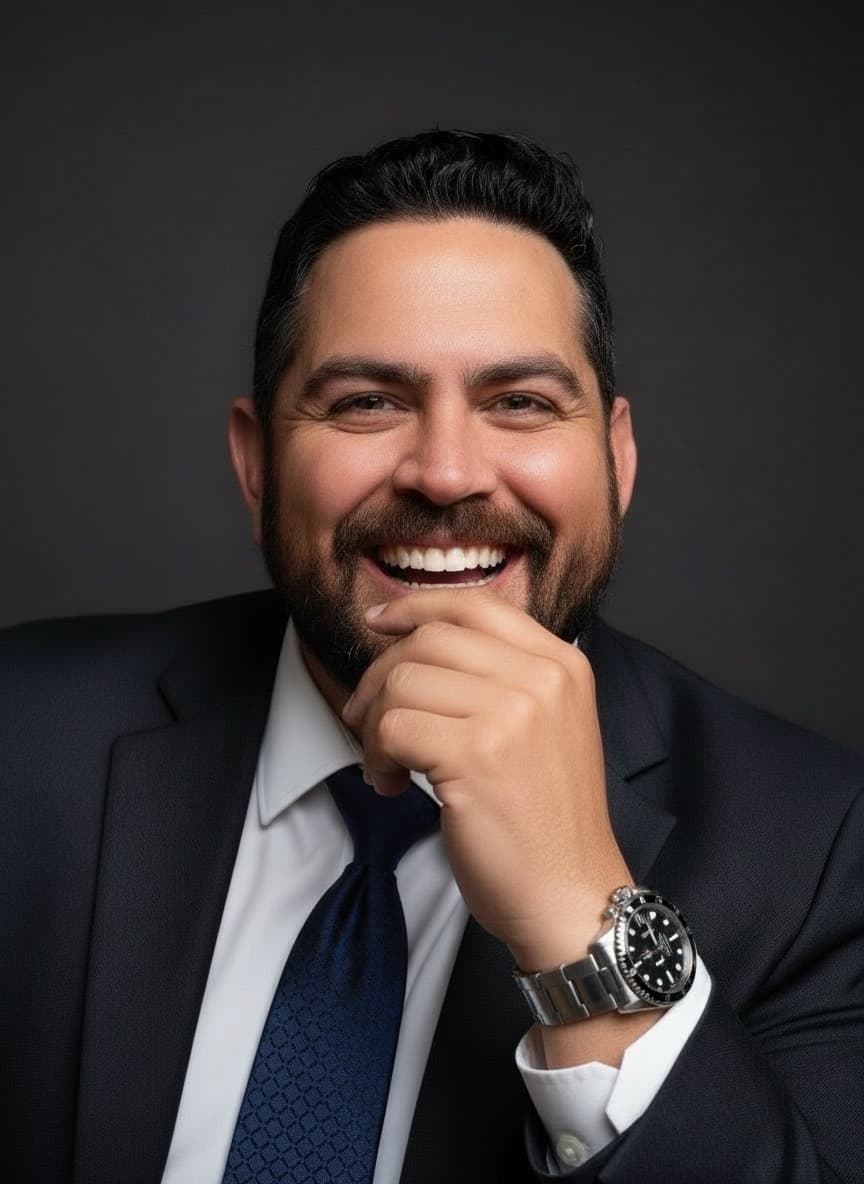
Dr. Babak Abbassi, MD, MBA, MS
Board-certified general surgeon specializing in minimally invasive and robotic surgery in Rockwall, McKinney, and Plano, TX.
About Dr. Abbassi