
If you have a thyroidectomy on the calendar, the question on your mind probably isn't the operation itself — it's what the days afterward will actually feel like. When can I drive? Will my voice be normal? What's that tightness in my neck, and is it something to worry about? Patients tell me the recovery is far more manageable than they feared, and I think a lot of that comes down to knowing what to expect. So here is an honest look at the first two weeks, without sugarcoating and without scaring you.
The Day of Surgery
Most thyroid operations — whether a lobectomy or a total thyroidectomy — are done under general anesthesia and, for many patients, are same-day or single-overnight procedures. When you wake up, the most common sensations are a sore throat, some neck stiffness, and grogginess from anesthesia.
That sore throat surprises people. It usually comes from the breathing tube used during surgery, not the incision, and it eases within a few days. You'll have a small incision low on the front of the neck, often closed with dissolvable sutures and surgical glue or thin tapes. Light activity and walking are encouraged early.
The First Few Days: Incision and Comfort
The incision typically looks more dramatic in the first week than it will later. Expect:
- Mild swelling and bruising around the incision and lower neck. This often peaks a few days out before it improves.
- A tight, "full" feeling in the neck, especially when swallowing or turning your head. This is normal and settles as the swelling goes down.
- Soreness that's usually controlled with simple measures. Many patients do well with acetaminophen and anti-inflammatory medication when appropriate, with only limited need for stronger pain medicine.
Keep the incision clean and dry as directed, avoid scrubbing it, and don't apply anything to it that your surgeon hasn't approved. Protecting that scar from the sun for the first several months makes a real difference in how it ultimately looks.
Your Voice: What's Normal
Voice changes are the concern I hear about most, so let me be direct. Some temporary hoarseness, a weaker voice, or quick vocal fatigue is common in the early days and is usually related to swelling and the breathing tube. For most patients this improves steadily over days to a few weeks. Sipping fluids, resting your voice, and not straining to project all help. Significant, persistent voice problems are uncommon, but they're something to raise with your surgeon if they aren't trending in the right direction.
Calcium and Hormone Management
This is the part of thyroid recovery that's genuinely different from other operations, and it's worth understanding.
- Calcium. Your parathyroid glands, which control calcium, sit right against the thyroid. After surgery — particularly a total thyroidectomy — they can be temporarily sluggish. We watch for signs of low calcium, the most recognizable being tingling or numbness around the lips, fingers, or toes. Many patients are sent home on calcium and vitamin D as a precaution. If you feel that tingling, follow your instructions on supplementation and let your team know.
- Thyroid hormone. If your entire thyroid is removed, you'll need daily thyroid hormone replacement — one pill each morning, on an empty stomach. After a lobectomy, the remaining half often makes enough hormone on its own, though we check your levels to be sure. Either way, fine-tuning the dose with bloodwork over the following weeks is a normal part of the process. We talk through all of this before surgery as part of your thyroid surgery plan.
Driving, Work, and Exercise
Practical answers to the practical questions:
- Driving is reasonable once you're off any narcotic pain medication, can turn your head comfortably, and feel able to react quickly — for many patients that's within several days.
- Desk work is often possible within a few days to a week, depending on how you feel.
- Exercise should ease back in gradually. Walking is encouraged right away. Hold off on heavy lifting, straining, and vigorous workouts for the first couple of weeks, and return to full intensity only once your surgeon clears you. When an operation is done with minimally invasive techniques, the recovery footprint is often smaller, but the same principle applies — let the deeper healing catch up to how good you feel.
What's Normal vs. What to Call About
Most of what you'll experience in the first two weeks is expected. But please call your surgical team — or for the urgent items, go to the emergency room — if you notice any of the following:
- Rapidly increasing swelling in the neck, or difficulty breathing or swallowing. A quickly enlarging neck after thyroid surgery is a reason to be seen urgently. Trouble breathing is an emergency — call 911 or go to the ER.
- Severe or worsening tingling, numbness, or muscle cramping or spasms. These can signal low calcium that needs attention.
- Fever, spreading redness, warmth, or drainage from the incision. These point toward infection.
- Pain that is escalating rather than improving after the first few days.
- Voice changes that are severe or not improving over the expected window.
When in doubt, call. I would much rather hear from a patient about a symptom that turns out to be nothing than have them sit at home worrying.
The Bottom Line
Recovery from a thyroidectomy is, for most patients, smoother and quicker than they expect — sore throat and neck tightness in the first days, steady improvement over the first two weeks, and a clear plan for calcium and hormone levels along the way. Every recovery is a little different, so follow the specific instructions your surgeon gives you over anything you read online.
At Abbassi Surgical Associates, patients from Rockwall, McKinney, Plano, and across north and northeast Dallas appreciate that they recover with direct access to Dr. Abbassi — the surgeon who performed the operation answers your questions, not a call center. If you have a thyroidectomy coming up, or you're weighing your options and want a same-week consultation, reach out here or call (469) 203-8856. We'll make sure you know exactly what to expect.
Dr. Abbassi sees patients at our McKinney clinic and across North Texas. To discuss your options, schedule a surgical consultation or call (469) 203-8856.
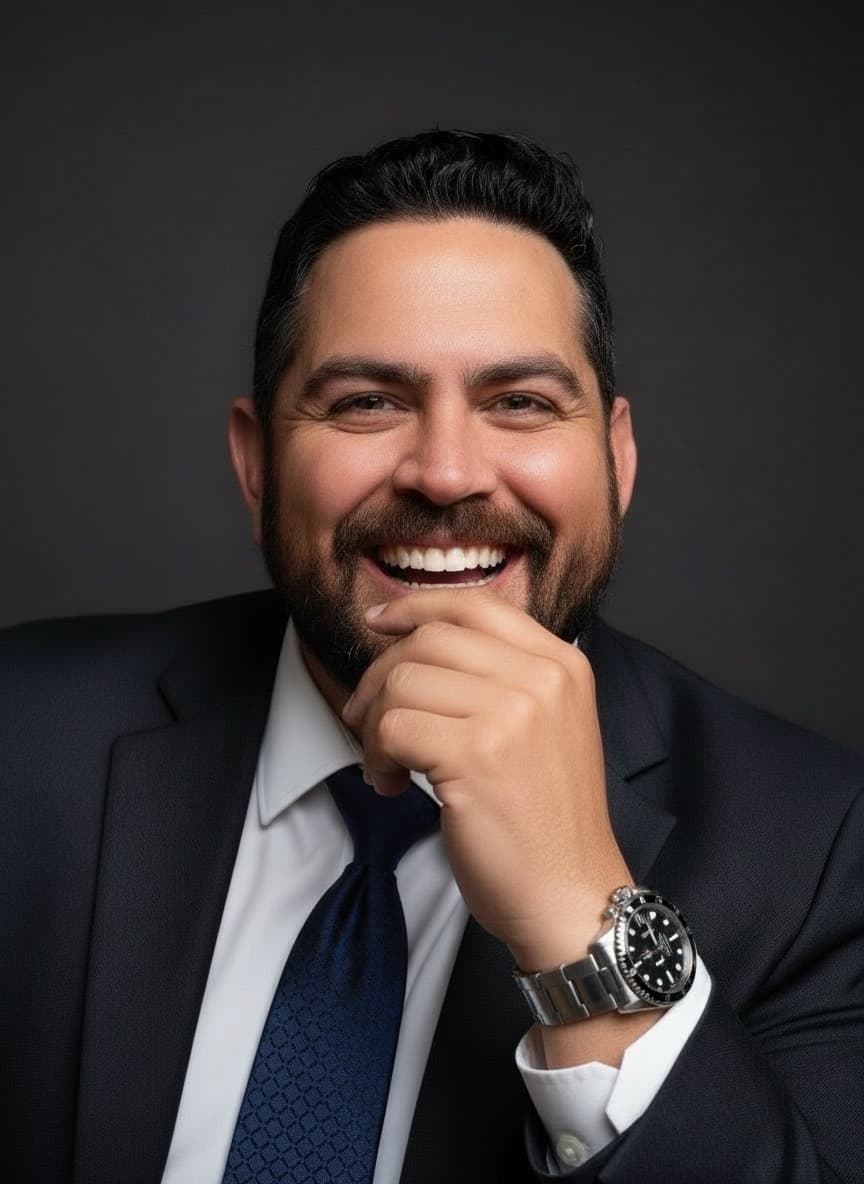
Dr. Babak Abbassi, MD, MBA, MS
Board-certified general surgeon specializing in minimally invasive and robotic surgery in Rockwall, McKinney, and Plano, TX.
About Dr. Abbassi