
If you've recently been told you have a thyroid nodule, the first thing that probably went through your mind was the worst-case scenario. I understand that. The word "nodule" sitting next to the word "thyroid" sounds alarming. So let me lead with the honest, reassuring truth: the large majority of thyroid nodules are completely benign, and most people who have one will never need surgery at all. The real work is figuring out which nodules deserve a closer look — and that is exactly what a good workup is designed to do.
How Common Are Thyroid Nodules, Really?
Far more common than most people expect. Thyroid nodules are found in a large portion of the adult population, and the likelihood increases with age. Many are discovered by accident — picked up on an imaging study ordered for something else entirely, like a carotid ultrasound or a neck CT. Plenty of people walk around with a nodule their whole lives and never know it.
The vast majority of these are harmless. Only a small percentage of thyroid nodules turn out to be cancerous, and even many of those are slow-growing and highly treatable. The goal is never to panic — it's to be thorough.
The Workup: What Should Actually Happen
A proper evaluation of a thyroid nodule is methodical. When I see a patient with a newly discovered nodule, I want three pieces of information before anyone talks about an operation.
- Thyroid blood work. A simple test of your thyroid function (TSH, and sometimes additional levels) tells us whether the gland is overactive, underactive, or normal. This shapes everything that follows.
- A dedicated thyroid ultrasound. This is the single most useful test. It measures the nodule precisely and looks at its features — whether it's solid or fluid-filled, its margins, whether it contains tiny calcifications, and how blood flows through it. Certain patterns are reassuring; others warrant a biopsy.
- A fine-needle aspiration (FNA), when indicated. If the ultrasound features and size cross a threshold, we sample the nodule with a very thin needle, usually in the office. It's quick and far less uncomfortable than people fear.
The FNA results are typically reported using the Bethesda system, a standardized scale from category I through VI. In plain terms, the lower categories are reassuring and benign, the middle categories are "indeterminate" and may need further testing or a diagnostic operation, and the higher categories point toward malignancy. Where your nodule lands on that scale drives the conversation about surgery.
When Surgery Is Clearly Recommended
There are situations where I will recommend removing part or all of the thyroid without hesitation:
- The biopsy shows or strongly suggests cancer. A Bethesda result in the suspicious or malignant range is a clear indication for surgery.
- The nodule is causing compressive symptoms. A large nodule can press on the windpipe or esophagus, causing a sense of tightness, trouble swallowing, or a feeling that something is "in the way." When a nodule affects how you breathe, swallow, or sleep, removing it restores quality of life.
- There is a change in your voice. New, persistent hoarseness in the setting of a thyroid nodule deserves prompt attention, because it can reflect involvement of the nerve that controls the voice box.
- The nodule is growing or is very large. Steady growth on serial ultrasounds, or a nodule that has reached a substantial size, shifts the balance toward removal even when biopsies are reassuring.
- The result is indeterminate and won't resolve. When biopsy and molecular testing can't give a clear answer, a diagnostic operation is sometimes the most honest path to certainty.
When Watchful Waiting Is the Right Call
For most patients, monitoring is not only acceptable — it's the correct medicine. A small, benign-appearing nodule with normal thyroid function and no symptoms is best managed with periodic ultrasounds to confirm it remains stable over time. There is no benefit to operating on a nodule that is doing no harm, and there is real value in avoiding an unnecessary procedure.
Watchful waiting generally makes sense when:
- The nodule is small and has reassuring ultrasound features
- Your thyroid blood work is normal
- You have no compressive symptoms and no voice changes
- A biopsy, if done, came back benign
The key is staying with the plan. Monitoring only works when you actually return for your follow-up scans.
Lobectomy or Total Thyroidectomy?
When surgery is the answer, the next question is how much to remove. For many nodules confined to one side, removing only that half of the gland — a thyroid lobectomy — is enough, and it often preserves enough native thyroid function that no lifelong medication is needed. For larger cancers, disease on both sides, or certain patient situations, a total thyroidectomy is the better choice. This is a decision I make with each patient individually, weighing the diagnosis, the anatomy, and your own preferences. You can read more about how we approach these operations on our thyroid surgery page.
When to Seek Prompt Attention
Most thyroid nodules are not urgent. But you should be evaluated sooner rather than later if you notice a rapidly enlarging mass in your neck, new and persistent hoarseness, difficulty swallowing or breathing, or a firm lump fixed in place. These don't necessarily mean something dangerous, but they do mean you shouldn't wait.
The Bottom Line
A thyroid nodule is common, usually benign, and rarely an emergency — but it does deserve a careful, unhurried evaluation by someone who treats the thyroid often. The right answer for you depends on the ultrasound, the blood work, the biopsy, and your symptoms. Please talk through your specific situation with your surgeon rather than relying on a number you read online.
At Abbassi Surgical Associates, patients come to us from Rockwall, McKinney, Plano, and across north and northeast Dallas for exactly this kind of clear, conservative guidance. You get direct access to Dr. Abbassi — not a rotating cast of providers — and we offer same-week consultations so you're not left wondering for weeks. If you'd like an honest assessment of your thyroid nodule, request a consultation or call us at (469) 203-8856. We'll tell you what we see, and just as importantly, when surgery isn't needed at all.
Dr. Abbassi sees patients at our McKinney clinic and across North Texas. To discuss your options, schedule a surgical consultation or call (469) 203-8856.
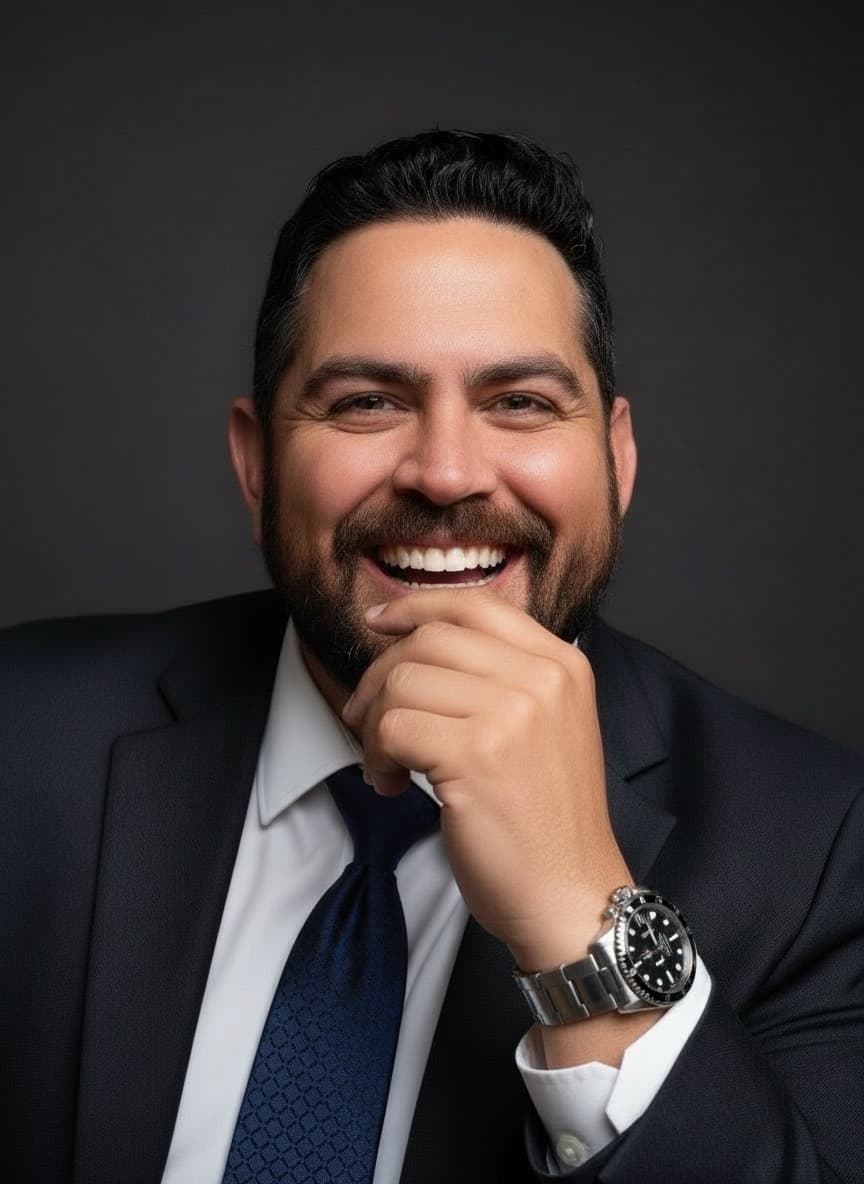
Dr. Babak Abbassi, MD, MBA, MS
Board-certified general surgeon specializing in minimally invasive and robotic surgery in Rockwall, McKinney, and Plano, TX.
About Dr. Abbassi