
If your dermatologist biopsied a spot, called it a skin cancer, and then told you they're sending you to a surgeon to have it removed, it's natural to feel a jolt. But I want to reframe that referral for you the way I do in the office: this is the system working exactly as it should. Your dermatologist found the problem early and is routing you to the right person to take care of it cleanly. A skin cancer excision is, in most cases, a straightforward outpatient procedure — and seeing a surgeon usually means the goal is simply to remove the lesion completely and let you heal well. Here's what to expect.
Why a General Surgeon — and Not Just the Dermatologist?
This is one of the first questions patients ask, and it's a fair one. Dermatologists are superb at detecting skin cancers and treating many of them right in their own office. A general surgeon enters the picture when the excision calls for a bit more — and that's complementary work, not competing work.
I tend to get involved when:
- The lesion is a melanoma or a more aggressive type. Melanoma in particular requires wider, carefully measured margins and sometimes additional steps, which is squarely surgical territory.
- Wider or deeper margins are needed. Larger tumors, recurrent ones, or those that extend deeper than a simple shave can address often need a formal excision down to a clean plane.
- The location is tricky. Lesions on the face, scalp, hands, lower legs, or over a joint can be harder to close cleanly, and they benefit from a surgeon's eye for a good repair.
- The lymph nodes are a consideration. Certain melanomas raise the question of whether nearby lymph nodes should be evaluated. That's a conversation a surgeon needs to have with you.
The dermatologist made the diagnosis. My job is to make sure it's removed completely, with the right margin, and closed in a way that heals and looks as good as possible. We're on the same team.
Office-Based or Operating Room?
Not every excision needs an operating room, and I won't send you to one unnecessarily.
- In the office, under local anesthesia. Many excisions — including a lot of basal and squamous cell skin cancers, and some smaller melanomas — are done right in the clinic. We numb the area completely, remove the lesion with its margin, and close it with sutures. You're awake, comfortable, and you drive yourself home.
- In the operating room. A formal OR setting makes sense for larger or deeper tumors, certain locations, when a more complex closure or skin graft may be needed, or when we're also sampling a lymph node. You may have light sedation or general anesthesia, but it's still typically a same-day, go-home procedure.
I decide this with each patient based on the pathology, the size, and where the lesion sits — never one-size-fits-all.
What "Margins" Actually Mean
This is the heart of a cancer excision, so let me explain it plainly. When we remove a skin cancer, we don't just take the visible spot — we take a measured rim of normal-looking skin around and beneath it. That rim is the margin, and its width is matched to the type and depth of the cancer. The whole specimen then goes to pathology, where it's examined to confirm the cancer is surrounded on all sides by healthy tissue. When the report says the margins are clear (or "negative"), it means we got it all with a safe buffer. Occasionally a margin comes back positive or narrow, and we recommend taking a little more — not a failure, just the careful, thorough thing to do.
Healing and Recovery
Most patients are surprised by how manageable recovery is. You'll go home with a dressing and simple wound-care instructions — usually keeping it clean and dry, with a follow-up to check healing and remove sutures. Expect some soreness, mild bruising, and a scar that fades and softens over the following months. Activity restrictions depend on the location; a spot on the back near a moving shoulder, for instance, needs more babying than one on the forearm. We'll talk through realistic timelines and what the area will look like long-term, and you can read more about how we approach these procedures on our skin cancer surgery page.
When to Call Promptly
A skin cancer excision is planned, not an emergency, but call the office — or seek care after hours — if after your procedure you develop spreading redness or warmth around the wound, increasing pain rather than improving pain, drainage of pus, a fever, or bleeding that won't stop with gentle pressure. These signs of a wound problem are uncommon and very treatable when caught early. And separately, if you ever notice a new or changing mole — one that's growing, changing color, bleeding, or just looks different from your others — don't wait on it. That's worth a prompt look.
The Bottom Line
Being sent to a surgeon for a skin cancer excision usually means the diagnosis was caught and is being handled properly — not that things are dire. We remove the lesion with the right margin, confirm it's gone with pathology, and close it to heal well. It complements the excellent work your dermatologist is already doing.
In my practice, patients come from Rockwall, McKinney, Plano, and across north and northeast Dallas for exactly this kind of clear, coordinated care. You get direct access to Dr. Abbassi — not a rotating cast of providers — and we offer same-week consultations so a known skin cancer doesn't sit untreated. If your dermatologist has referred you, request a consultation or call us at (469) 203-8856. We'll review your pathology, explain the plan in plain language, and take care of it properly.
Dr. Abbassi sees patients at our McKinney clinic and across North Texas. To discuss your options, schedule a surgical consultation or call (469) 203-8856.
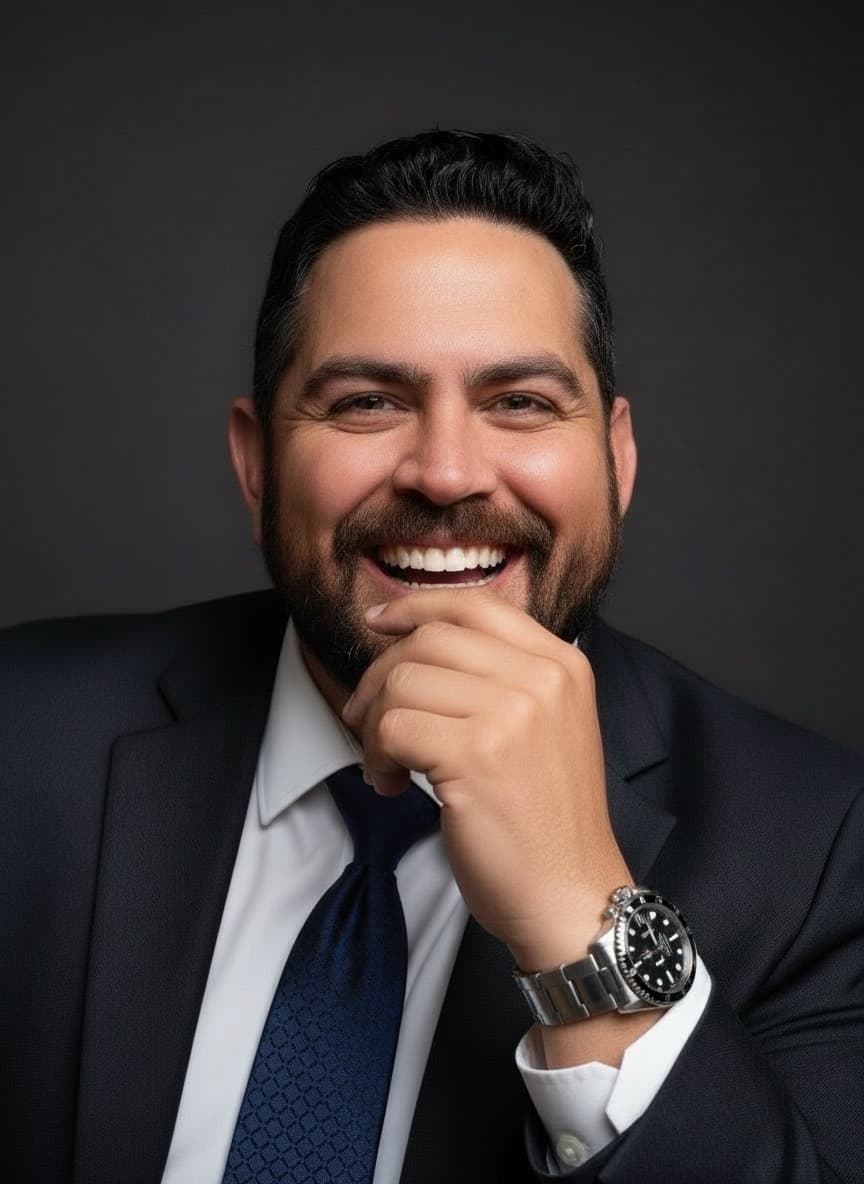
Dr. Babak Abbassi, MD, MBA, MS
Board-certified general surgeon specializing in minimally invasive and robotic surgery in Rockwall, McKinney, and Plano, TX.
About Dr. Abbassi