
If you've spent months — maybe years — feeling tired in a way that sleep doesn't fix, with aching bones, a foggy head, and a short fuse you don't recognize in yourself, you may have been told it's stress, aging, or just life. Sometimes it is. But there's a quiet, frequently missed condition that produces exactly this picture, and the honest truth is that many patients suffer with it far longer than they should. It's called primary hyperparathyroidism, and when it's the cause, the fix is a short, often outpatient operation that is genuinely curative.
What the Parathyroid Glands Actually Do
You have four parathyroid glands, each about the size of a grain of rice, sitting behind the thyroid in your neck. Despite the similar name, they have nothing to do with thyroid function. Their one job is to control the calcium level in your blood by producing parathyroid hormone, or PTH.
When one of these glands develops a small benign growth, it stops listening to the body's signals and pumps out too much PTH. That hormone pulls calcium out of your bones and into your bloodstream. The result is high blood calcium — and a surprising number of symptoms that, on their own, look like a dozen other things.
The Symptoms That Get Dismissed
This is the heart of why parathyroid disease is so often overlooked: the symptoms are vague, they come on gradually, and each one is easy to blame on something else.
- Fatigue that sleep doesn't fix. A deep, persistent tiredness is one of the most common complaints, and one of the most commonly written off.
- Bone and joint aches. Because calcium is being leached from the skeleton, patients often describe diffuse aches, and over time there is real concern for bone thinning and osteoporosis.
- Kidney stones. Excess calcium passing through the kidneys can form stones. For some patients, a stone is the first clue anything is wrong.
- Brain fog and memory trouble. Difficulty concentrating, forgetfulness, and a feeling of mental dullness are reported by many patients and often improve after treatment.
- Mood changes. Irritability, anxiety, low mood, and a general sense of "not feeling like myself" are real and recognized features of this condition.
- Excessive thirst and frequent urination. High calcium affects how the kidneys handle fluid.
The classic teaching describes this as "stones, bones, groans, and psychiatric moans" — kidney stones, bone pain, abdominal complaints, and mood or cognitive symptoms. Plenty of patients have several of these at once and never connect the dots, because no single symptom screams "parathyroid."
Why It's So Often Missed
Here's the part that frustrates me as a surgeon. Diagnosing this condition usually requires nothing more than two simple blood tests — a calcium level and a PTH level, ideally drawn together. When both are elevated (or when calcium is high and PTH isn't appropriately suppressed), the diagnosis is often straightforward.
The trouble is that a high calcium reading frequently gets noted on a routine lab panel and then quietly overlooked, especially if it's only mildly elevated. The number sits in the chart, the patient keeps feeling unwell, and the underlying cause goes unaddressed. If your calcium has been flagged as high more than once, that is worth taking seriously and worth asking about specifically.
Surgery Is the Only Cure — and It's Smaller Than You Think
There is no pill that cures primary hyperparathyroidism. Medications can sometimes manage the calcium level, but they don't fix the problem. The definitive treatment is removing the overactive gland — a parathyroidectomy — and in experienced hands it is a precise, minimally invasive operation.
Before surgery, we use imaging to localize which gland is the troublemaker. When a single gland is responsible, the operation is often focused and small, typically performed through a modest incision, frequently as a same-day procedure. Many patients are surprised at how manageable the recovery is. Once the offending gland is gone, the calcium level usually normalizes quickly, and over the following weeks and months patients often describe more energy, clearer thinking, and relief from the aches they'd come to accept as normal. We perform these procedures alongside our broader thyroid and parathyroid surgery, and when appropriate we use minimally invasive techniques to keep recovery smooth.
When to Get Checked
You should ask your physician about your parathyroid — and specifically about a calcium and PTH level — if you have:
- A blood calcium level that has been high on more than one occasion
- Unexplained osteoporosis or bone thinning, particularly at a younger age than expected
- Recurrent kidney stones
- A cluster of the symptoms above without another clear explanation
And while hyperparathyroidism itself is rarely an emergency, very high calcium can occasionally cause severe symptoms — profound confusion, severe nausea and vomiting, extreme weakness, or marked drowsiness. If those develop, that warrants prompt medical attention and, in severe cases, a trip to the emergency room.
The Bottom Line
Primary hyperparathyroidism is more common than people realize, frequently overlooked, and one of the most rewarding conditions I treat — because the operation actually fixes it. If you've been chasing an explanation for fatigue, aches, and brain fog and no one has checked your calcium, this is a conversation worth having. As always, talk through your own labs and symptoms with your surgeon rather than self-diagnosing.
At Abbassi Surgical Associates, patients from Rockwall, McKinney, Plano, and throughout north and northeast Dallas come to us for a clear answer and direct access to Dr. Abbassi himself. We offer same-week consultations, so you don't have to keep waiting to feel like yourself again. To have your situation reviewed, request a consultation or call (469) 203-8856.
Dr. Abbassi sees patients at our McKinney clinic and across North Texas. To discuss your options, schedule a surgical consultation or call (469) 203-8856.
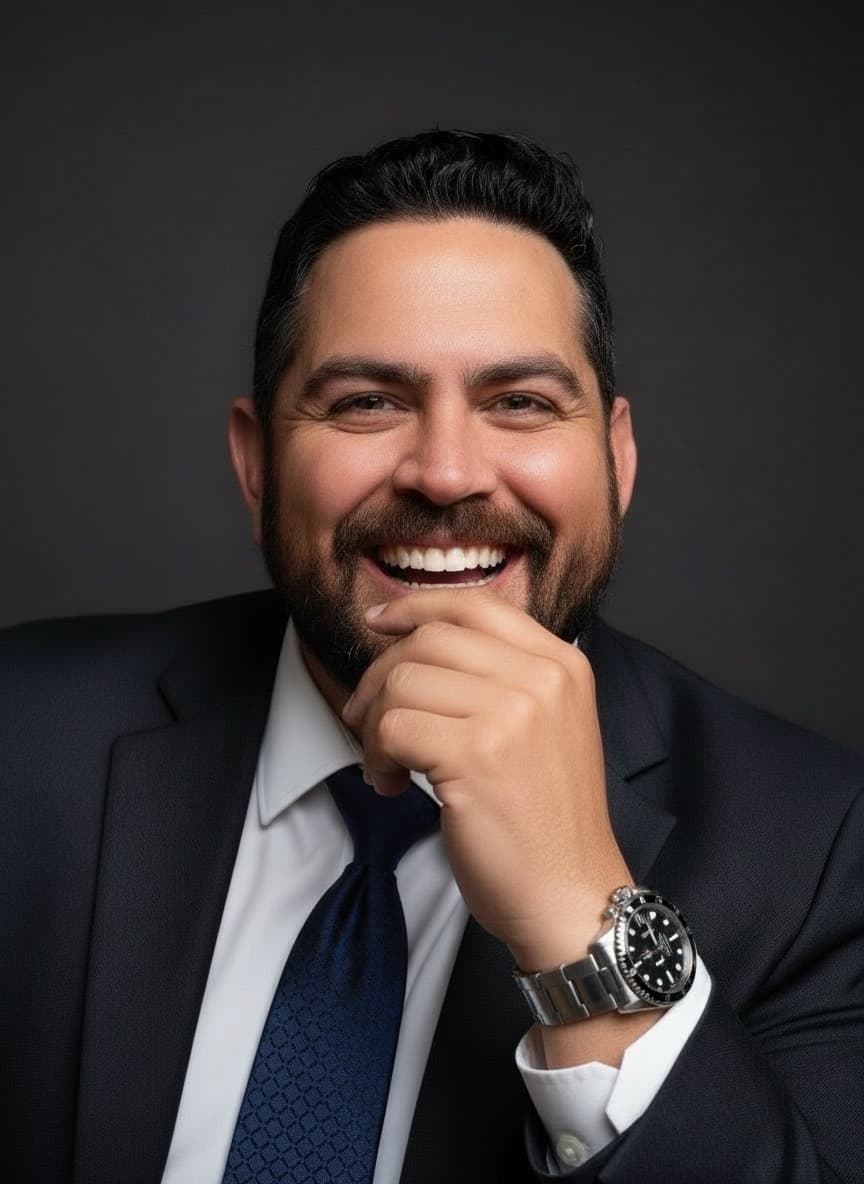
Dr. Babak Abbassi, MD, MBA, MS
Board-certified general surgeon specializing in minimally invasive and robotic surgery in Rockwall, McKinney, and Plano, TX.
About Dr. Abbassi