
Gallbladder pain has a way of demanding your full attention — often at the worst possible moment. A meal, a late evening, a Saturday morning, and suddenly you're doubled over with pain under your right rib. If that's happened to you more than once, or you've been told your gallbladder is full of stones, you're probably wondering whether surgery is the answer and what getting it done locally in Rockwall or McKinney actually looks like.
The straightforward answer: gallbladder removal is one of the most common operations in general surgery, it's almost always done laparoscopically as an outpatient or overnight procedure, and patients in the northeast and north Dallas area don't need to travel into the city to get it done well.
Why the Gallbladder Becomes a Problem
The gallbladder is a small sac tucked beneath the right side of the liver. Its job is to store bile — a digestive fluid made by the liver — and release it into the small intestine when you eat. The trouble starts when the bile becomes concentrated and crystalizes into gallstones.
Gallstones range from sand-grain-sized to golf-ball-sized, and most people who have them never know it. But when a stone blocks the bile duct opening — even temporarily — the result is intense cramping pain that typically radiates from the right upper abdomen into the right shoulder or back. That pain can last anywhere from 30 minutes to several hours.
Over time, recurring attacks tend to get worse, not better. The gallbladder wall can thicken and become inflamed (cholecystitis). Stones can slip into the common bile duct and block it completely (choledocholithiasis), which is a more serious situation requiring prompt attention. Once you've had symptomatic gallstones, surgery is typically the recommended next step — because the stones don't dissolve on their own, and the attacks continue.
What Gallbladder Surgery Actually Is
The operation is called a laparoscopic cholecystectomy. Through three or four small incisions (each about the size of a fingertip), I insert a camera and thin instruments, identify the structures connecting the gallbladder to the bile duct and artery, clip and divide them, and remove the gallbladder entirely through one of the small openings. The whole procedure takes 45 minutes to an hour in a straightforward case.
There is no recovery period for the gallbladder itself because it's gone — the liver simply releases bile directly into the small intestine, which is what happens naturally and which the digestive system adjusts to without difficulty for the vast majority of patients.
Most patients go home the same day or after one night if the surgery was late in the day or involved any additional complexity.
What to Expect on Surgery Day
You'll arrive at the surgical facility a couple of hours before your scheduled procedure. The anesthesia team will place an IV and ask you a series of pre-op questions. General anesthesia is used — you're completely asleep and feel nothing during the operation.
After surgery, you spend one to two hours in recovery while the anesthesia wears off. Most patients are awake, drinking clear liquids, and feeling surprisingly comfortable within the first hour. Pain after laparoscopic cholecystectomy is typically manageable with oral pain medication — most of my patients are taking only over-the-counter pain relievers by day two or three.
The most common complaint in the first 24–48 hours is shoulder or upper back discomfort — this comes from the carbon dioxide gas used to inflate the abdomen during laparoscopic surgery and resolves quickly as it absorbs.
Recovery at Home
The first two weeks look like this for most patients:
- Day 1–2: Rest, clear liquids advancing to soft foods, walking short distances inside the house
- Days 3–5: Most patients feel well enough to move around the house comfortably, manage stairs, and eat a near-normal diet avoiding very fatty or greasy foods
- Week 2: Return to desk work and light daily activities; most patients are driving again by day 5–7 if they're off narcotic pain medication
- Week 4–6: Full return to exercise and physical labor
The incisions close on their own — there are typically no staples to remove, just small adhesive strips that fall off on their own. I see patients for a follow-up visit at two weeks to confirm everything is healing well.
When It's Not Straightforward
The laparoscopic approach is appropriate for the majority of patients, but some situations add complexity:
- Acute cholecystitis (the gallbladder is actively inflamed or infected) requires prompt surgery. The operation is technically more involved, and a short hospital stay is expected.
- Choledocholithiasis (stones in the common bile duct) may require a pre-operative procedure (ERCP) to clear the duct before or alongside surgery.
- Previous abdominal surgery can create adhesions that make the dissection more complex, occasionally requiring a longer incision.
I discuss any anticipated complexity with patients before the operation so that expectations are set clearly. In cases where anatomy or inflammation makes the laparoscopic approach unsafe, converting to open surgery is the right decision — and it's never a failure. Patient safety always guides the choice.
Why Staying Local Matters
For Rockwall patients coming to our clinic on Horizon Road, and McKinney patients at our Medical Center Drive location, the difference between local and downtown care is real. It's not just the drive on surgery day — it's the follow-up appointments, the comfort of recovering close to family, the ability to call our office with a question and hear back promptly.
Boutique surgical care means you work with the same board-certified surgeon from your consultation through your post-op visit. I'm the surgeon you meet at your first appointment, and I'm the one at the table when your gallbladder comes out.
If you've been having gallbladder attacks and wondering what comes next, the answer is usually simpler and more manageable than patients expect.
Ready to Talk?
At Abbassi Surgical Associates, we see patients with gallbladder concerns at our clinics in Rockwall, McKinney, and Plano. We typically offer same-week consultations. Call us at (469) 203-8856 or request a consultation online — I'll walk you through your options clearly and tell you what to realistically expect.
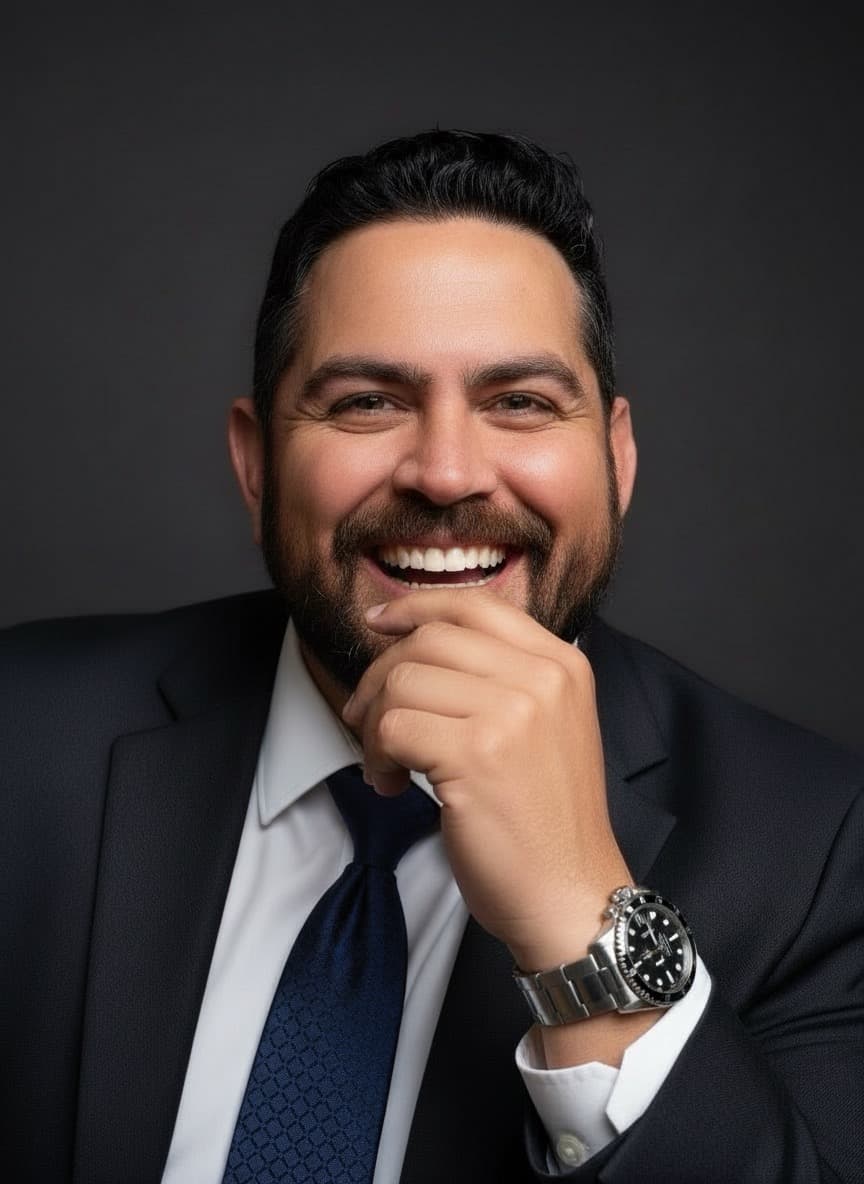
Dr. Babak Abbassi, MD, MBA, MS
Board-certified general surgeon specializing in minimally invasive and robotic surgery in Rockwall, McKinney, and Plano, TX.
About Dr. Abbassi