
Discovering a lump in your breast — or getting a concerning mammogram result — is unsettling. The next step your care team recommends is almost always a biopsy: a procedure to sample the tissue and find out exactly what is there.
If your referring physician has recommended a surgical breast biopsy, you may be wondering what that involves and why surgery is necessary when other biopsy methods exist. The answer depends on the size, location, and characteristics of the abnormality — and I am happy to walk through the reasoning with you.
A surgical breast biopsy is a targeted, minimally invasive outpatient procedure. Most patients go home within a few hours and return to light activity within a few days. The goal is to obtain enough tissue for pathology to make a definitive diagnosis.
Why a Biopsy May Be Recommended
Not every breast lump is cancer — the vast majority are benign — but the only way to know for certain is to examine tissue under a microscope. A biopsy may be recommended after:
- A new palpable lump that does not resolve on its own
- A suspicious finding on a screening mammogram or breast ultrasound
- An area of abnormal tissue detected on MRI
- A lump that has changed in size, shape, or firmness over time
A biopsy is a diagnostic procedure, not a treatment decision. What we find guides everything that comes next.
Types of Breast Biopsy
Several biopsy methods exist, and the right one depends on the size and location of the area of concern:
Core needle biopsy — A hollow needle removes small cylindrical samples of tissue. This is often the first approach for accessible lumps and is typically performed by a radiologist using ultrasound guidance. No surgery required.
Stereotactic biopsy — Used when a suspicious area is visible on a mammogram but not on ultrasound. A computer-guided needle collects tissue samples while imaging is performed.
Surgical (excisional) biopsy — In some situations, surgical removal of the entire lump or abnormal area is the most appropriate approach. This is indicated when:
- A needle biopsy result is unclear or inconclusive
- The area is difficult to reach with image-guided needles
- The entire lesion should be removed for pathology rather than sampled
- A prior needle biopsy suggested a condition that requires surgical removal to fully evaluate
When a surgical biopsy is recommended, that is where I come in as a general surgeon.
What a Surgical Breast Biopsy Involves
A surgical breast biopsy is an outpatient procedure performed under local anesthesia, sedation, or general anesthesia depending on the depth and size of the area being removed.
Before surgery: You will meet with me at one of our north Texas clinics — in Plano or McKinney — to review the imaging, discuss what will be removed, and plan the incision location for the best cosmetic outcome. Pre-operative instructions will include fasting guidelines and which medications to hold.
During surgery: I make a small incision in a location chosen to minimize visible scarring — often following the natural lines of the breast. The lump or area of concern is removed in its entirety and sent to pathology for analysis. The incision is closed with fine sutures and a small dressing is applied.
Specimen orientation: I mark the specimen with sutures or clips so the pathologist can tell precisely which margin is which — this is important if the tissue turns out to be cancerous and re-excision is needed.
Wire Localization and SAVI SCOUT
If the area to be removed is not palpable — meaning it can only be seen on imaging rather than felt — it needs to be marked for surgery. Two common methods are:
- Wire localization — A radiologist places a thin wire through the skin to mark the target before surgery. The wire guides me to the correct location.
- SAVI SCOUT (or similar reflector-based systems) — A small reflector is placed in the tissue before surgery and detected with a handheld device in the operating room. This allows more scheduling flexibility.
Your care team will let you know which method is planned based on availability at the facility.
Recovery After Surgical Breast Biopsy
Most patients are surprised by how manageable the recovery is.
Immediately after surgery: You will spend a short time in recovery before going home with a companion driver. There will be some swelling and tenderness at the biopsy site, typically managed well with over-the-counter pain relievers.
The first few days: Mild discomfort and bruising are normal and resolve within a week or two. A supportive bra and light activity restriction help with comfort.
Typical recovery milestones:
- Light activity, including walking: same day
- Return to desk work: usually two to three days
- Lifting, strenuous exercise: typically ten to fourteen days
- Pathology results available: generally five to seven business days after surgery
The incision heals well in most patients and any visible scar typically fades significantly over the following months.
What Happens After the Results Come Back?
Pathology results are the critical next step. Most breast biopsies return a benign result — fibroadenoma, fibrocystic tissue, papilloma — and no further surgical treatment is needed. If the result shows a malignancy or a condition like atypical ductal hyperplasia, your care team will discuss next steps, which may involve a breast surgery specialist.
I will review your results with you directly and help coordinate any referrals that are appropriate for your situation.
General Surgeon vs. Breast Surgeon
A general surgeon and a breast surgeon are both trained in surgical breast procedures. For most diagnostic biopsies, a general surgeon with experience in breast surgery provides the same quality of care as a breast-specialty practice. If pathology reveals a malignancy requiring more complex surgery, I will guide you to the appropriate specialist.
The most important thing is that the biopsy is done correctly: clean margins, accurate orientation, minimal disruption to surrounding tissue, and a cosmetically thoughtful incision. Those are the goals regardless of who performs it.
Ready to Schedule a Consultation?
If you have been referred for a surgical breast biopsy, I would be glad to meet with you at Abbassi Surgical Associates. We see patients at our clinics in Plano, McKinney, and Rockwall and can usually schedule a consultation within a few days.
Call us at (469) 203-8856 or use our contact page to request an appointment. We will review your imaging, answer your questions, and make a plan that feels right for you.
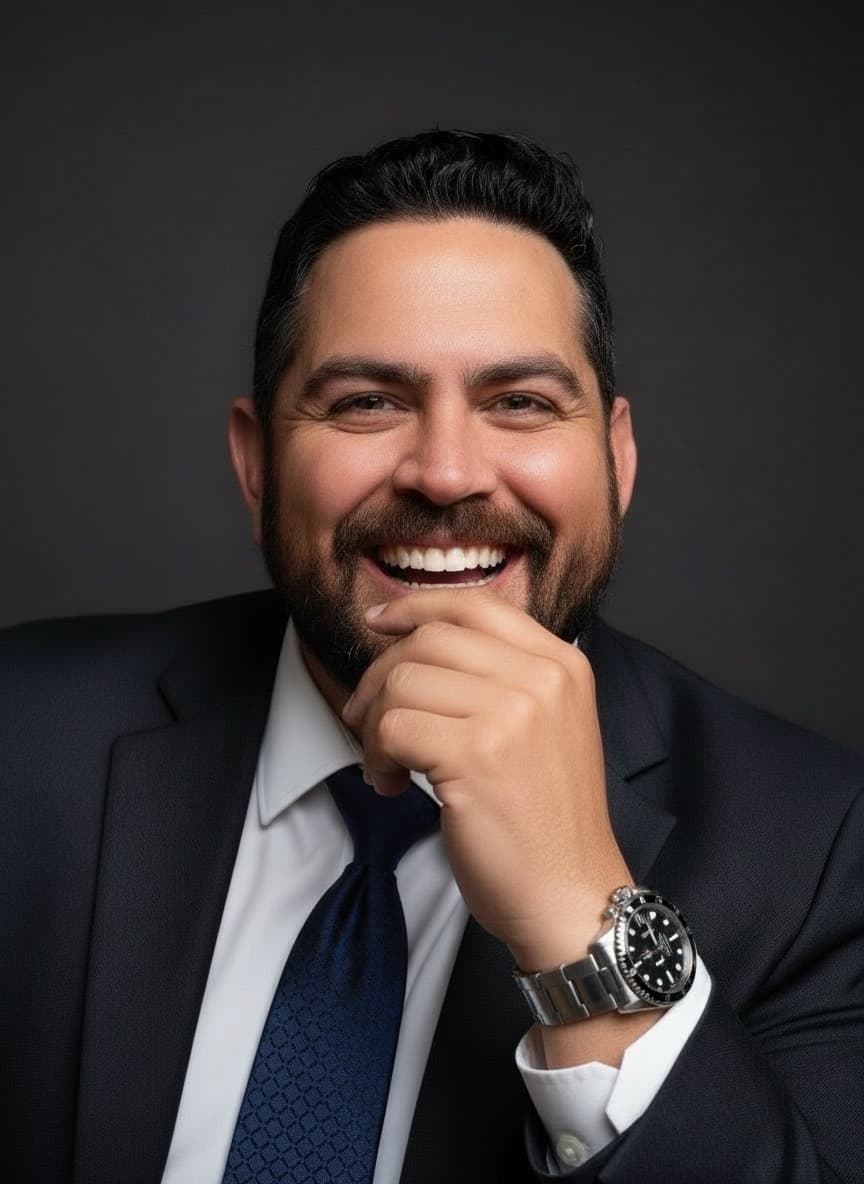
Dr. Babak Abbassi, MD, MBA, MS
Board-certified general surgeon specializing in minimally invasive and robotic surgery in Rockwall, McKinney, and Plano, TX.
About Dr. Abbassi