
The adrenal glands are small but powerful.
Most people never have to think about them — until a scan finds something unexpected, or a physician notices a pattern of symptoms that points toward a hormonal problem.
Every year, patients come to Abbassi Surgical Associates after being told by their endocrinologist or primary care physician that they have an adrenal mass — and that it may need to come out.
If that's your situation, you likely have questions about what the adrenal glands do, what conditions require surgery, and what the procedure involves.
Adrenal surgery — called an adrenalectomy — is a well-established operation for removing diseased or hormone-secreting adrenal tissue. When performed minimally invasively by an experienced surgeon, most patients go home within one to two days and recover fully within two to three weeks.
What Are the Adrenal Glands?
You have two adrenal glands — one sitting on top of each kidney. They are small (each roughly the size of a walnut) but produce hormones that are essential to normal body function, including:
- Cortisol — the body's primary stress hormone, regulating metabolism and immune response
- Aldosterone — which controls blood pressure and sodium/potassium balance
- Epinephrine and norepinephrine — the fight-or-flight hormones released in response to stress
- DHEA and other androgens — precursors to sex hormones
When a tumor or other condition causes one of these glands to malfunction — or when a mass is large enough or suspicious enough to warrant concern — surgery is considered.
Conditions That May Require Adrenal Surgery
Pheochromocytoma — A hormone-secreting tumor that produces excess epinephrine and norepinephrine, causing episodic high blood pressure, rapid heart rate, headaches, and sweating. Pheochromocytomas require surgical removal and carry specific anesthesia and preoperative requirements that make an experienced surgical team essential.
Primary hyperaldosteronism (Conn's syndrome) — A benign adrenal adenoma that overproduces aldosterone, leading to blood pressure resistant to medication and low potassium levels. In appropriate candidates, surgical removal corrects the hormonal excess and can allow patients to reduce or stop antihypertensive medications.
Cushing's syndrome (adrenal cause) — When an adrenal tumor produces excess cortisol, patients develop weight gain concentrated in the midsection and face, high blood sugar, skin changes, and other metabolic effects. Surgical removal can be curative.
Adrenocortical carcinoma — A rare but aggressive cancer of the adrenal cortex. Surgical resection is the primary treatment when the tumor is localized and technically resectable.
Adrenal incidentaloma — An adrenal mass discovered on imaging obtained for an unrelated reason. While most are benign and non-secreting, surgery is recommended when:
- The mass is larger than 4 cm
- Imaging shows features suspicious for malignancy
- Hormonal testing reveals autonomous hormone production — even in the absence of overt symptoms
How Is Adrenalectomy Performed?
The preferred approach for most adrenalectomies is minimally invasive — either laparoscopic or robotic-assisted. This allows the gland to be removed through small incisions without the need for a large abdominal or flank incision.
Advantages of the minimally invasive approach:
- Smaller incisions and less postoperative discomfort
- Shorter hospital stay — typically one to two nights
- Faster recovery and earlier return to normal activities
- Lower wound complication risk
For very large tumors, suspected adrenocortical carcinoma, or cases with challenging anatomy, an open surgical approach may be preferred to ensure complete removal and oncologic safety. I discuss the planned approach with each patient before surgery.
What Happens Before Surgery?
Adrenal surgery requires careful preoperative preparation that varies based on the type of tumor.
For pheochromocytoma: Medical preparation with alpha-blocking medications is essential before surgery to prevent dangerous blood pressure fluctuations during the operation. This typically takes two to four weeks and is managed in coordination with your endocrinologist. This preoperative step is not optional — it is critical to safe surgery.
For other adrenal conditions: Blood pressure management, potassium repletion, cortisol assessment, and nutritional optimization as appropriate.
For all patients: Standard pre-operative evaluation including blood work, cardiac clearance if needed, and a complete medication review.
What to Expect After Adrenalectomy
Most patients undergoing minimally invasive adrenalectomy can expect:
- One to two nights in the hospital for monitoring
- Soreness at the incision sites for several days
- Light activity within one week
- Return to most normal activities within two to three weeks
- Full unrestricted activity in four to six weeks
Hormonal changes after removing a secreting tumor are expected and are a sign the surgery worked:
- After pheochromocytoma removal: blood pressure typically normalizes over days to weeks
- After aldosteronoma removal: potassium normalizes quickly; blood pressure improves over weeks to months — many patients reduce or stop antihypertensive medications
- After cortisol-secreting tumor removal: temporary adrenal insufficiency is expected and requires steroid supplementation that is tapered gradually over months as the remaining gland recovers
Your endocrinologist plays a critical role in managing the hormonal transition after surgery. I coordinate closely with your endocrine team throughout.
Questions to Ask at Your Adrenal Surgery Consultation
If you've been referred for adrenal surgery, these are worthwhile questions to bring to your consultation:
- Is my tumor functioning — producing excess hormone — and does that change the approach or timing?
- Is minimally invasive surgery appropriate for my tumor, or will open surgery be needed?
- What preoperative preparation will be required?
- What do you expect my blood pressure, cortisol, or calcium to do after surgery?
- How often do you perform adrenalectomies?
- Will I need ongoing endocrine monitoring after the operation?
Coming to your consultation prepared helps ensure you leave with a clear understanding of the surgical plan and what comes next.
Why Experience Matters in Adrenal Surgery
Adrenalectomy — particularly for pheochromocytoma — is a technically demanding procedure with important anesthetic and intraoperative considerations. The anatomy near the adrenal glands involves major blood vessels and the kidney, requiring precise dissection. The choice of approach, timing of surgery, and preoperative preparation all affect patient safety and outcomes.
At Abbassi Surgical Associates, I perform adrenal surgery for patients across north Texas at affiliated regional surgical facilities.
Schedule a Consultation in North Texas
If your endocrinologist has recommended a surgical evaluation for an adrenal mass, or if you've been told you need an adrenalectomy and want to discuss your options, I'd be glad to see you.
Abbassi Surgical Associates serves north Texas patients at three clinics in Plano, McKinney, and Rockwall. Call us at (469) 203-8856 or visit our contact page to request an appointment.
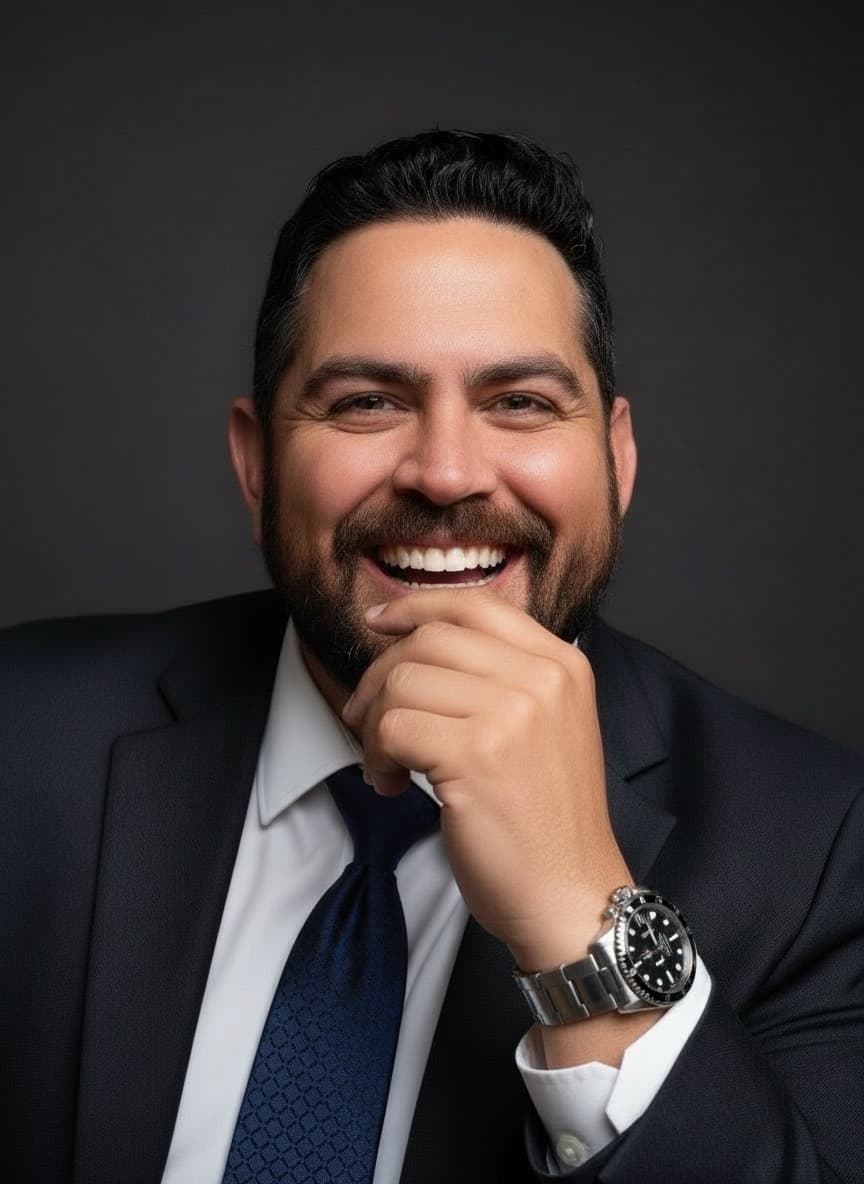
Dr. Babak Abbassi, MD, MBA, MS
Board-certified general surgeon specializing in minimally invasive and robotic surgery in Rockwall, McKinney, and Plano, TX.
About Dr. Abbassi