
If you've spent years managing acid reflux with daily pills and you're still burning, regurgitating, or waking up coughing at night, you may be wondering whether there's a more permanent fix. There is — and for the right patient, it works beautifully. But surgery isn't for everyone, and I want to give you an honest, balanced picture of when it makes sense and what to expect.
The short version: anti-reflux surgery is worth considering when medication no longer controls your symptoms, when you can't tolerate the medication, or when a mechanical problem like a hiatal hernia is driving reflux that pills simply can't fix. The two main operations — Nissen fundoplication and the LINX device — both rebuild the barrier that's supposed to keep stomach contents where they belong. Today I perform most of these procedures robotically, which means smaller incisions and a smoother recovery.
Why Medication Sometimes Isn't the Answer
The medications most people take for gastroesophageal reflux disease (GERD) — proton pump inhibitors, or PPIs — reduce how much acid your stomach makes. That helps the symptom of burning. But PPIs don't strengthen the weak valve between your esophagus and stomach, and they don't repair a hiatal hernia. The physical backflow keeps happening; it's just less acidic.
That's why some patients reach a wall. If you're tasting food hours after a meal, coughing at night, or climbing the dose ladder without relief, the problem is mechanical, and a mechanical problem usually needs a mechanical solution.
When I Consider Surgery
In my practice, anti-reflux surgery comes onto the table when one or more of these are true:
- Medication isn't controlling your symptoms, even at maximum reasonable doses.
- You can't tolerate PPIs, or you'd rather not take a daily pill for the next several decades.
- Regurgitation is the main problem. Acid suppression can't stop the physical backflow of food and fluid.
- There's a significant hiatal hernia allowing part of the stomach to slide up into the chest.
- Reflux is causing complications — esophagitis, strictures, or Barrett's esophagus, a precancerous change that warrants closer attention.
Importantly, I never go straight to the operating room. The right operation depends entirely on objective testing — typically an upper endoscopy, pH monitoring to confirm how much acid is reaching your esophagus, and esophageal manometry to measure how well your swallowing muscles work. That last test matters enormously, because it tells me whether your esophagus can tolerate a particular repair. Skipping the workup is how patients end up with the wrong operation.
Option 1: Nissen Fundoplication
Fundoplication is the most established and best-studied anti-reflux operation. The idea is elegant: I take the top of the stomach (the fundus) and wrap it around the lower esophagus, then secure it. This rebuilds and reinforces the failing valve, recreating a one-way barrier against reflux. If a hiatal hernia is present — and it often is — I repair that at the same time, returning the stomach to the abdomen and tightening the opening in the diaphragm.
- A Nissen is a full 360-degree wrap and is the most common version.
- A partial wrap (such as a Toupet, around 270 degrees) is sometimes the better choice for patients whose manometry shows weaker esophageal muscle, because it's gentler on swallowing.
That's exactly why the testing comes first — the wrap is tailored to your anatomy and your swallowing mechanics.
What to expect from recovery: This is a minimally invasive operation. Most patients go home the same day or after one night, return to light activity within a week or two, and avoid heavy lifting for several weeks. For the first few weeks you'll follow a staged diet — liquids, then soft foods, then a gradual return to normal eating — because the area is swollen at first and the esophagus needs time to adjust.
Option 2: The LINX Device (Magnetic Sphincter Augmentation)
For appropriately selected patients, the LINX device is a newer alternative. It's a small, flexible ring of titanium beads, each with a magnetic core, placed around the lower esophagus. At rest, the magnetic attraction keeps the valve closed against reflux. When you swallow, the pressure of food and drink pulls the beads apart so everything passes normally, and then the ring closes again.
LINX is appealing because it's a standardized, reversible implant and tends to preserve the ability to belch and vomit — two things a full fundoplication can make difficult. It's generally best suited to patients with smaller or no hiatal hernias and reasonably normal esophageal motility. It isn't right for everyone, and that's where your testing and our conversation come in.
How Robotic Technique Helps
Whether I'm performing a fundoplication or placing a LINX device, I most often use a robotic, minimally invasive approach. The robotic platform gives me wristed instruments and a magnified, high-definition 3D view in a tight, deep space high up near the diaphragm — precisely where this surgery happens and where precision matters most.
In practical terms, that translates to small incisions, less tissue trauma, less postoperative pain, and a faster return to normal life compared with traditional open surgery. The fine control is especially valuable when reconstructing the hiatus and creating a wrap that's snug enough to stop reflux but not so tight that it causes trouble swallowing.
The Honest Trade-Offs
I'd be doing you a disservice if I only described the upside. Anti-reflux surgery is very effective, but it has real, well-known side effects you should weigh:
- Bloating and difficulty belching ("gas-bloat"). Because the repair tightens the valve, some patients find it harder to burp and feel gassier, especially early on. This usually improves over the first several months.
- Temporary difficulty swallowing (dysphagia). Swelling can make swallowing feel tight at first, which is why we ease you back onto solid food gradually. For most people it resolves; rarely, a wrap needs to be loosened.
- Increased gas or changes in bowel habits.
- The possibility that reflux returns over time, or that a wrap or hernia repair loosens and needs revision.
- Standard surgical risks — bleeding, infection, and anesthesia-related risks, all of which are low with a minimally invasive approach.
For most carefully selected patients, the benefits — freedom from daily medication, an end to regurgitation, better sleep, and protection of the esophagus — clearly outweigh these trade-offs. But "carefully selected" is the key phrase, and that selection is a shared decision between us.
The Bottom Line
If your reflux has outgrown what medication can do, surgery is a durable, well-established option — not a last resort. The goal isn't to mask the burning; it's to fix the mechanical problem causing it. A thorough workup tells us whether a Nissen fundoplication, a LINX device, or continued medical management is the best path for you.
At Abbassi Surgical Associates, I care for patients from Rockwall, McKinney, Plano, and across north and northeast Dallas, with same-week consultations and direct surgeon access. If you're ready to understand your options, let's sit down and look at the whole picture together. Call (469) 203-8856 or request a consultation.
Dr. Abbassi sees patients at our Plano clinic and across North Texas. To discuss your options, schedule a surgical consultation or call (469) 203-8856.
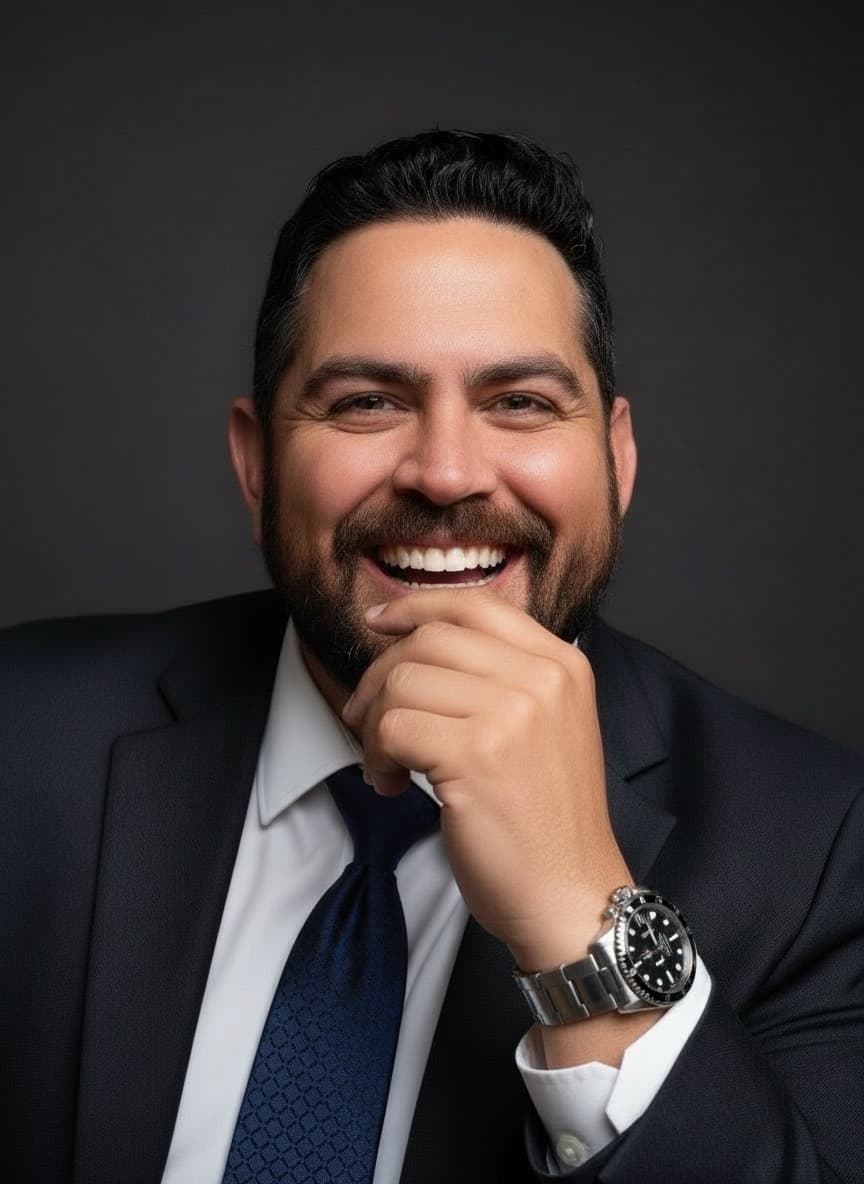
Dr. Babak Abbassi, MD, MBA, MS
Board-certified general surgeon specializing in minimally invasive and robotic surgery in Rockwall, McKinney, and Plano, TX.
About Dr. Abbassi