
If you're facing an operation, one worry tends to sit underneath all the others: how long until I feel like myself again? Patients ask me this more than almost anything else — not "is the surgery safe," but "when will I be back on my feet, off the strong medications, back to my family and my work?" It's a fair question, and the honest answer has changed dramatically over the past two decades. The reason is an approach called enhanced recovery after surgery. Here's what it is and why it matters for you.
What Is Enhanced Recovery After Surgery?
Enhanced recovery after surgery — often shortened to ERAS — is not a single procedure, a special device, or a marketing term. It's a coordinated bundle of evidence-based decisions made before, during, and after your operation, all aimed at one goal: helping your body recover faster and more comfortably, with fewer complications.
For most of surgical history, recovery was treated as something that simply happened to you after the real work was done. You were kept fasting for a long time, given heavy opioids for pain, and told to rest in bed until you felt ready to move. We now understand that many of those old habits actually slowed people down. Enhanced recovery protocols flip that thinking. Recovery is planned for, not waited on.
In my practice, I think of it as removing the obstacles between you and your normal life — one by one, deliberately.
The Pieces That Make It Work
No single element of enhanced recovery is magic. The benefit comes from doing many small things right, together. These are the parts I focus on most:
- Minimizing unnecessary fasting. The old rule of "nothing after midnight" left patients dehydrated and depleted before they ever reached the operating room. Studies consistently show that, for most operations, allowing clear fluids up to a few hours beforehand is safe and helps patients arrive stronger. We follow modern fasting guidelines rather than outdated tradition.
- Multimodal, non-opioid pain control. Rather than leaning on heavy narcotics, we combine several gentler tools — local anesthetics at the incision sites, anti-inflammatory and non-opioid medications, and nerve blocks when appropriate. The result is good pain control with far less grogginess, nausea, and constipation, and a much lower risk of dependence.
- Early mobilization. Getting up and walking within hours of surgery, rather than days, is one of the most powerful things you can do. Movement reduces the risk of blood clots and pneumonia, helps your bowels wake up, and genuinely speeds healing. I tell my patients that walking is part of the treatment, not a reward for finishing it.
- Careful fluid management. Too little fluid leaves you depleted; too much causes swelling that slows your gut and your healing. The aim is balance — giving your body what it needs and no more.
- Getting back to eating sooner. For many procedures, returning to normal food earlier than the old protocols allowed helps the digestive system recover and gets you home faster.
Why This Means Less Pain and a Faster Discharge
When these pieces work together, the effects compound. Patients who aren't depleted by long fasting tolerate surgery better. Patients on multimodal pain control are clear-headed enough to get up and walk. Patients who walk early have fewer complications and feel more like themselves. Each good decision makes the next one easier.
The practical result is what you actually care about: less pain, less nausea, fewer days away from home, and a quicker return to work and family. Enhanced recovery protocols are now standard at leading surgical centers precisely because the evidence has been so consistent — patients recover faster and more comfortably without any compromise to safety.
How It Pairs With Minimally Invasive and Robotic Surgery
Enhanced recovery and modern surgical technique reinforce each other beautifully. Minimally invasive and robotic surgery means smaller incisions, less disruption to muscle and tissue, and less internal trauma overall. That, in turn, means less pain to manage and a body that's ready to get moving sooner.
Think of it this way: the gentler operation gives enhanced recovery a head start, and the recovery protocol makes the most of that head start. A robotic hernia or gallbladder repair done with an enhanced recovery plan around it is a very different experience from the open surgery many people still picture from a relative's operation decades ago. Most of these patients go home the same day and are walking comfortably within hours.
What You Can Do to Help
Recovery isn't something that's only done to you — you're part of the team. A few simple things genuinely move the needle:
- Stay as active as you safely can before surgery. Even short daily walks in the weeks beforehand build reserve.
- If you smoke, stopping even briefly before your operation meaningfully lowers your risk of wound and lung complications.
- Plan your pain management with us in advance so you understand the non-opioid plan and aren't reaching for stronger medication out of surprise.
- Commit to getting up and moving early. It will feel counterintuitive when you're sore, but it's one of the most effective things you can do.
I walk through all of this with patients well before the day of surgery, because a recovery that's been planned and explained is far smoother than one that's improvised.
A Genuine Difference, Not a Buzzword
I'll be honest with you: not every practice that mentions enhanced recovery actually delivers all of it consistently. It takes coordination, attention, and a surgeon who's personally invested in your whole experience — not just the hour in the operating room. That's exactly the kind of care a boutique practice is built to provide.
At Abbassi Surgical Associates, patients from Rockwall, McKinney, Plano, and across north and northeast Dallas get direct access to Dr. Abbassi — not a rotating cast of providers — from the first conversation through full recovery. We offer same-week consultations, and we'll walk you through your personal recovery plan in plain language. If you'd like to understand what your recovery could realistically look like, request a surgical consultation or call us at (469) 203-8856. Getting you home faster and more comfortably isn't an afterthought for us — it's the whole point.
Dr. Abbassi sees patients at our Plano clinic and across North Texas. To discuss your options, schedule a surgical consultation or call (469) 203-8856.
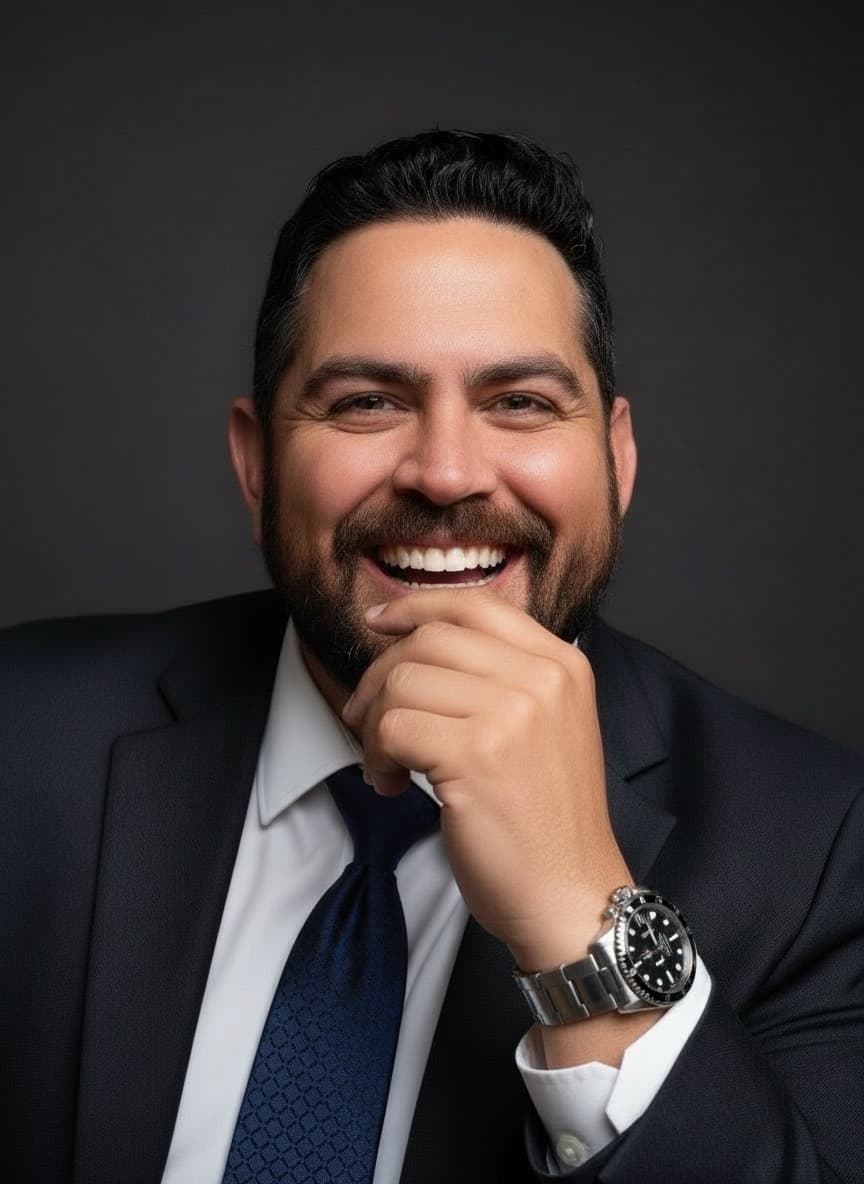
Dr. Babak Abbassi, MD, MBA, MS
Board-certified general surgeon specializing in minimally invasive and robotic surgery in Rockwall, McKinney, and Plano, TX.
About Dr. Abbassi