
When patients learn they need a hernia repair, the medical questions usually come first — and then, almost immediately, a quieter worry surfaces: will my insurance actually cover this, and what will it cost me? It's a completely reasonable thing to ask, and I'd rather you ask it out loud than lie awake guessing. The good news is that hernia surgery is one of the most commonly covered procedures there is. The details, though, are worth understanding before you pick up the phone. Here's how to check.
The Short Answer: Usually Yes
In the large majority of cases, insurance covers hernia surgery, because a symptomatic hernia that needs repair is considered medically necessary rather than elective or cosmetic. Hernia repair exists to relieve pain, restore function, and prevent serious complications — and insurers generally recognize that.
That said, "covered" and "free" are not the same thing. What you pay out of pocket depends on the structure of your specific plan. Understanding a few key terms makes the whole process far less intimidating.
The Terms That Actually Determine Your Cost
You don't need to become an insurance expert, but knowing these four concepts will help you read your own plan and ask better questions:
- Deductible. This is the amount you pay yourself before your insurance begins paying its share for the year. If you haven't met your deductible, you'll typically be responsible for more of the surgery's cost up front.
- Copay and coinsurance. A copay is a fixed amount for a service; coinsurance is a percentage of the cost you share with your insurer after the deductible is met. Surgery usually falls under coinsurance.
- Out-of-pocket maximum. This is the most you'll pay in a plan year before insurance covers the rest at 100%. For a planned surgery, this number often matters more than the deductible, because a single operation can move you toward — or past — that ceiling.
- In-network vs. out-of-network. Plans pay far more generously when your surgeon, the facility, and the anesthesiologist are all in your network. Out-of-network care can cost dramatically more, so confirming network status matters for every party involved, not just the surgeon.
I mention that last point deliberately, because it's where patients are most often surprised. Even when the surgeon is in network, it's worth confirming the facility and anesthesia are too.
What Prior Authorization Means
Many plans require prior authorization for surgery — essentially, your insurer's advance confirmation that the procedure is medically necessary and approved before it's performed. This is routine. It does not mean your coverage is in doubt; it means the insurer wants documentation, which your surgical team provides.
What you should know is that prior authorization takes time, sometimes a week or more. In my practice, this is one of the reasons we don't drag our feet — but it's also why it helps to start the conversation early rather than the week before a planned repair.
Questions to Ask Your Insurer
Before any surgery, I encourage patients to call the number on the back of their insurance card and ask a short, specific list of questions. Write the answers down, along with the date and the name of the representative you spoke with:
- Is hernia repair a covered benefit under my plan?
- Have I met my deductible for the year, and how much remains?
- What is my coinsurance percentage for surgery, and what's my out-of-pocket maximum?
- Is prior authorization required for hernia surgery?
- Are Dr. Abbassi, the surgical facility, and the anesthesia provider all in network?
- Will I be billed separately by the facility or anesthesia, and roughly what should I expect?
Asking these up front turns a vague fear into a concrete set of numbers you can actually plan around.
How Our Office Helps
You don't have to navigate this alone, and frankly, you shouldn't have to. As a boutique practice, we keep this part of the process personal. Our team will verify your benefits, confirm network status, and handle the prior authorization paperwork on your behalf. We'll talk through what we find with you honestly — including what's still uncertain — so there are no unwelcome surprises after the fact.
I won't quote you a dollar figure in a blog post, because any number I gave would be misleading; costs genuinely depend on your plan, your deductible status, and where you are in your plan year. What I will promise is straight answers. If something about your coverage is unclear, we'll tell you that too, rather than pretend otherwise. You can read more about how we work with insurers on our insurance page.
A Note on Honesty About Cost
I'd rather a patient understand their financial picture before surgery than feel ambushed by a bill afterward. That's a matter of trust, and trust is the foundation of good surgical care. If cost is a real concern for you — and for many families it is — say so. We can talk openly about timing, about where you stand against your out-of-pocket maximum, and about payment options. None of that offends me. It's part of taking care of the whole person, not just the hernia.
Get Clear Answers Before You Decide
A hernia rarely needs to be repaired the same week you're diagnosed, which means you usually have time to understand both the medical plan and the financial one. Use it.
At Abbassi Surgical Associates, patients from Rockwall, McKinney, Plano, and across north and northeast Dallas get direct access to Dr. Abbassi and a team that treats your questions — including the money ones — as part of the job. We offer same-week consultations and will help you verify your benefits from the start. To get clear, honest answers about your hernia and your coverage, request a consultation or call us at (469) 203-8856. We'll help you understand exactly what you're looking at before you commit to anything.
Dr. Abbassi sees patients at our Rockwall clinic and across North Texas. To discuss your options, schedule a surgical consultation or call (469) 203-8856.
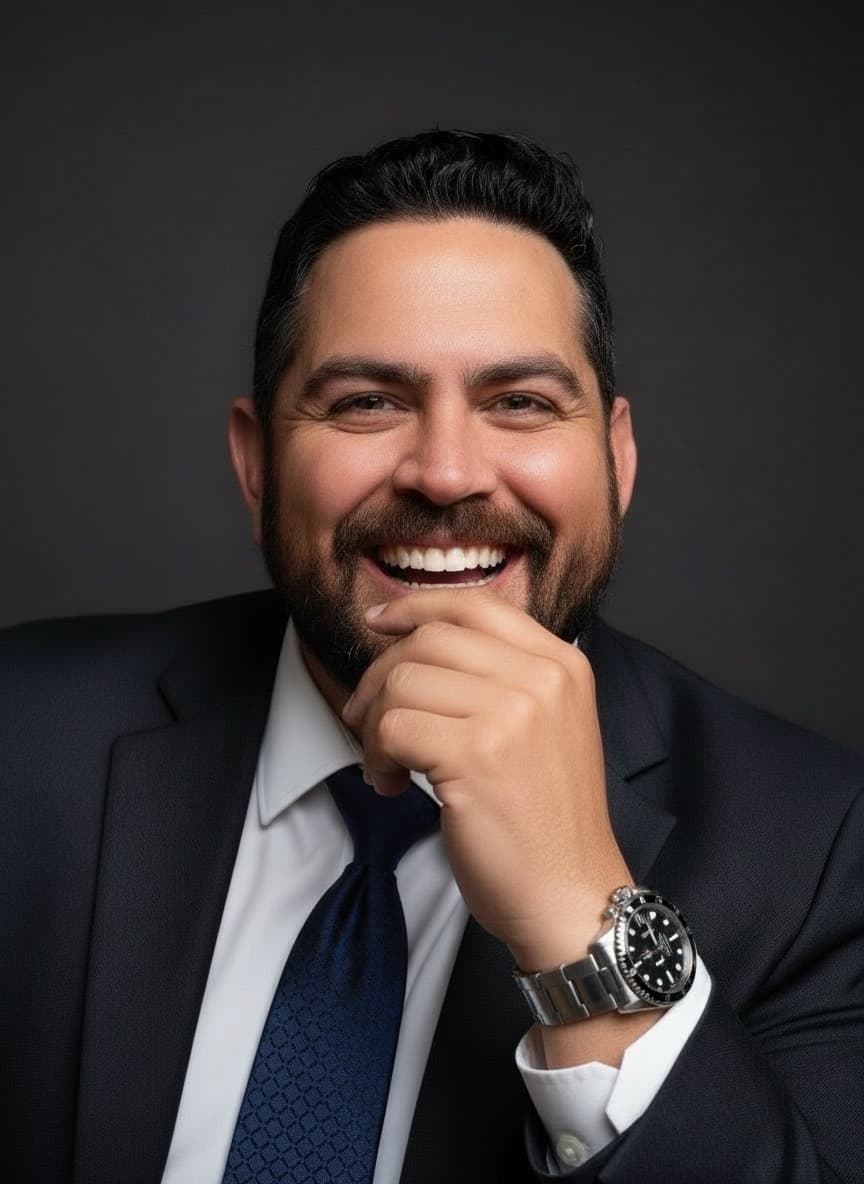
Dr. Babak Abbassi, MD, MBA, MS
Board-certified general surgeon specializing in minimally invasive and robotic surgery in Rockwall, McKinney, and Plano, TX.
About Dr. Abbassi