Diverticulitis is one of the most common gastrointestinal conditions in the Western world, particularly among adults over 40. Most episodes can be managed without surgery. But when diverticulitis becomes recurrent, complicated, or fails to respond to medical treatment, surgery may be the best path to lasting relief.
What Is Diverticulitis?
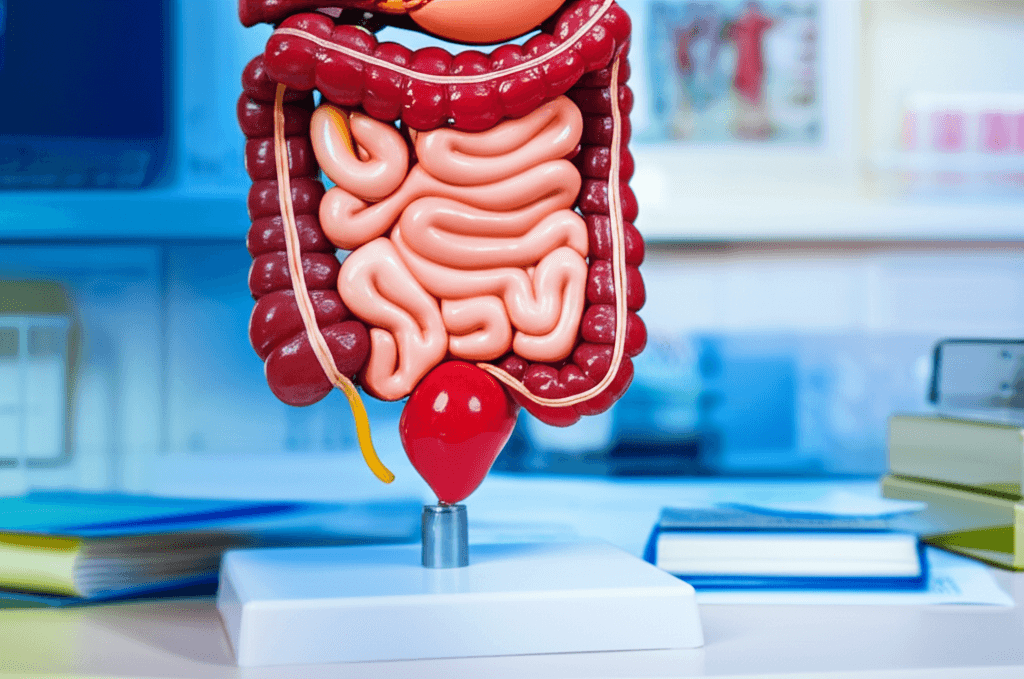
Diverticula are small pouches that can form along the walls of the colon, particularly in the sigmoid colon (the lower left portion). The presence of these pouches is called diverticulosis and is extremely common — by age 60, more than half of adults in the United States have diverticula, according to the National Institute of Diabetes and Digestive and Kidney Diseases (NIDDK).
Diverticulitis occurs when one or more of these pouches become inflamed or infected. Symptoms typically include left lower abdominal pain, fever, nausea, and changes in bowel habits. Mild cases are treated with antibiotics and a temporary liquid or low-fiber diet.
When Is Surgery Recommended?
The American Society of Colon and Rectal Surgeons (ASCRS) recommends an individualized approach to surgical decision-making for diverticulitis. Surgery is typically recommended in the following situations:
Complicated Diverticulitis
Complications that generally require surgery — either urgently or after the acute episode resolves — include:
- Perforation with peritonitis: A perforated diverticulum that causes widespread abdominal infection requires emergency surgery
- Abscess: Small abscesses may be treated with antibiotics and percutaneous drainage. Large or recurrent abscesses may require surgical resection
- Fistula: An abnormal connection between the colon and another organ (commonly the bladder) caused by chronic inflammation. Fistulas do not heal without surgery
- Stricture: Narrowing of the colon from repeated inflammation that causes bowel obstruction symptoms
Recurrent Uncomplicated Diverticulitis
Current guidelines have moved away from the older recommendation of surgery after a set number of episodes (previously, surgery was often advised after the second or third episode). Instead, the decision is based on how diverticulitis affects the individual patient's quality of life. Surgery may be recommended when:
- Episodes are frequent enough to disrupt your daily life
- You are unable to fully recover between episodes
- Each episode requires hospitalization or IV antibiotics
- Chronic symptoms persist between acute flares (termed "smoldering" diverticulitis)
Failed Medical Management
Some patients continue to experience symptoms despite antibiotics, dietary modifications, and other conservative measures. When medical management has been given a fair trial and symptoms persist, surgery offers a definitive solution.
What Does the Surgery Involve?
The standard operation is a sigmoid colectomy — removal of the sigmoid colon (the segment most commonly affected by diverticulitis) with reconnection of the remaining colon to the rectum. This is most often performed using minimally invasive techniques (laparoscopic or robotic-assisted), which offer less pain, shorter hospital stays, and faster recovery compared with open surgery.
In emergency situations involving perforation and peritonitis, a temporary colostomy may be necessary. However, elective (planned) surgery for diverticulitis almost always avoids a colostomy entirely.
Recovery After Surgery
- Hospital stay: Typically two to four days for minimally invasive surgery
- Diet: A clear liquid diet in the hospital, advancing as bowel function returns
- Return to routine: Most patients are back to normal activities within two to four weeks
- Long-term outcome: Recurrence of diverticulitis after sigmoid colectomy is uncommon, reported at less than 5% in most surgical studies
The Takeaway
Diverticulitis is common, and the majority of episodes resolve without surgery. But when the condition becomes recurrent, complicated, or significantly impacts your quality of life, surgery is a safe and effective solution. If you have been dealing with repeated episodes of diverticulitis, a consultation with Dr. Abbassi can help you understand whether surgery is the right next step.
Dr. Abbassi sees patients at our Plano clinic and across North Texas. To discuss your options, schedule a surgical consultation or call (469) 203-8856.

Dr. Babak Abbassi, MD, MBA, MS
Board-certified general surgeon specializing in minimally invasive and robotic surgery in Rockwall, McKinney, and Plano, TX.
About Dr. Abbassi