
For many patients, hernia symptoms seem to worsen once the day slows down. A dull ache becomes more noticeable in bed. Rolling over causes discomfort. Some patients even describe a pulling or burning sensation that keeps them awake.
If your hernia hurts more at night, you are not imagining it — and it may be your body's way of telling you the hernia is progressing.
Why Hernias Often Hurt More at Night
During the day, your body is constantly moving. Walking, working, and staying distracted can make mild symptoms easier to ignore. Once you lie down in a quiet room at night, discomfort becomes much more noticeable.
There are also several physical reasons nighttime pain may occur.
Muscle Fatigue Throughout the Day
Your abdominal wall works continuously to support your core. By evening, those muscles become fatigued, allowing the weakened area around the hernia to feel more strained or irritated.
This is especially common with:
- Inguinal hernias (groin hernias)
- Umbilical hernias
- Ventral or incisional hernias
Increased Pressure During the Day
Activities such as:
- Lifting
- Coughing
- Standing for long periods
- Straining
- Exercise
can gradually increase pressure on the hernia throughout the day. By nighttime, the surrounding tissues may become inflamed or sore.
Some patients notice:
- Burning pain
- Pressure
- Tightness
- A heavy sensation
- Pain radiating into the groin or testicle
Position Changes Can Trigger Symptoms
Rolling over in bed or changing positions may temporarily shift tissue within the hernia defect, causing discomfort.
Patients commonly say:
- "It hurts when I turn over."
- "I can't get comfortable."
- "It aches more when I lie on one side."
Why Some Hernias Feel Better Lying Down
Interestingly, some hernias actually improve when lying flat because gravity no longer pulls tissue downward through the defect.
If your bulge disappears when you lie down, that is often a sign the hernia is still reducible — meaning the tissue can move back into place.
However, reducible does not mean harmless.
Most hernias gradually enlarge over time and typically do not heal on their own.
Warning Signs Your Hernia Needs Prompt Evaluation
You should seek medical attention if you experience:
- Increasing pain
- A bulge that becomes firm or stuck
- Nausea or vomiting
- Redness over the hernia
- Fever
- Severe abdominal pain
- Inability to push the hernia back in
These may be signs of incarceration or strangulation, which can become surgical emergencies.
Will a Hernia Go Away on Its Own?
Unfortunately, no.
A hernia is a weakness or opening in the abdominal wall. While symptoms may fluctuate, the defect itself does not repair naturally.
Some small hernias can be monitored safely for a period of time, but many eventually become:
- More painful
- Larger
- More limiting
- More difficult to repair
Early evaluation often allows for a more straightforward repair and smoother recovery.
Modern Hernia Surgery Has Changed Significantly
Many hernias today can be repaired using minimally invasive or robotic techniques through small incisions.
Benefits may include:
- Less postoperative discomfort
- Faster recovery
- Smaller scars
- Earlier return to normal activity
At Abbassi Surgical Associates, we take an individualized approach to hernia care and discuss all appropriate treatment options based on your symptoms, lifestyle, and anatomy.
When Should You See a Surgeon?
If your hernia is:
- Causing pain
- Limiting activity
- Enlarging
- Affecting sleep
- Becoming more noticeable
it is reasonable to schedule an evaluation.
In many cases, addressing the problem earlier can help prevent complications and improve quality of life.
Seeing a Surgeon in Rockwall, McKinney, or Plano
Hernia pain that wakes you at night is worth having looked at. Dr. Abbassi sees patients at three North Texas clinics — Rockwall, McKinney, and Plano — and evaluates every patient personally.
To schedule a surgical consultation, call (469) 203-8856 or request an appointment online. Bring any imaging you have already had; Dr. Abbassi will review it with you at the visit.
Precision Surgery. Elevated Care.
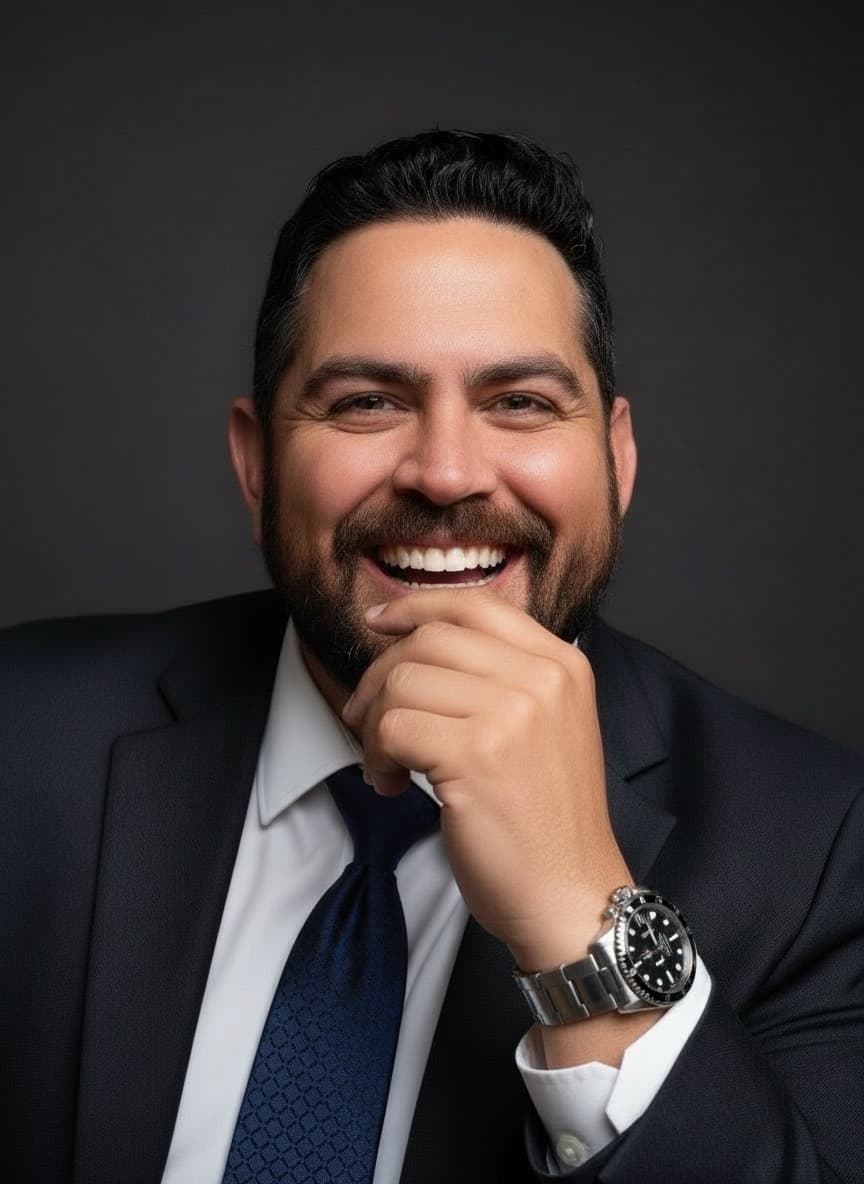
Dr. Babak Abbassi, MD, MBA, MS
Board-certified general surgeon specializing in minimally invasive and robotic surgery in Rockwall, McKinney, and Plano, TX.
About Dr. Abbassi