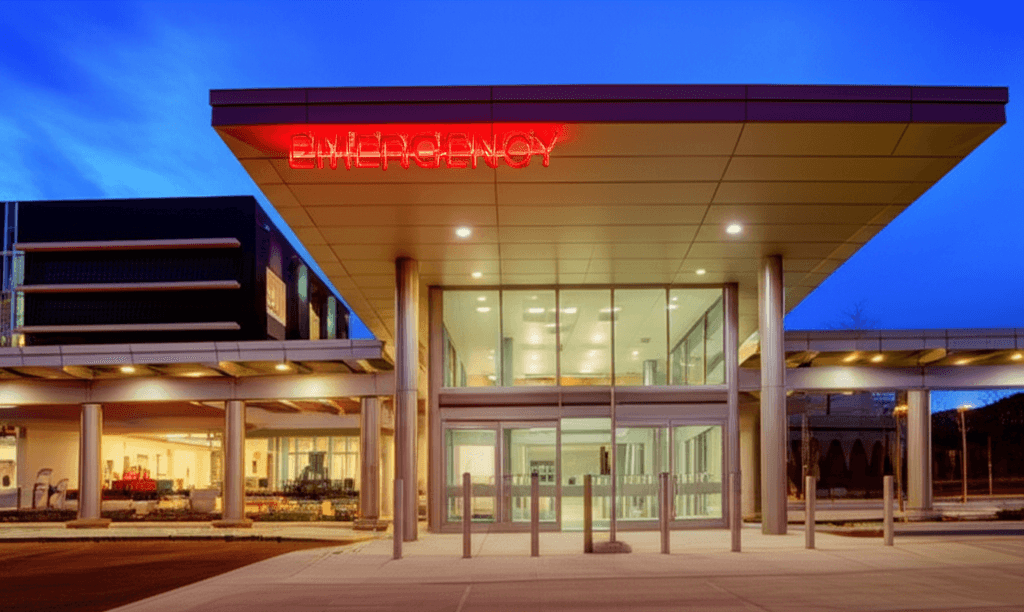
Most surgical conditions allow time for evaluation, planning, and scheduling. But some situations are true emergencies — conditions where delaying surgery by even a few hours can lead to serious complications or become life-threatening. Here are five warning signs that should prompt you to seek immediate medical attention.
1. Sudden, Severe Abdominal Pain That Does Not Improve
Abdominal pain is one of the most common reasons for emergency room visits. Most abdominal pain is not surgical, but certain patterns are red flags. Pain that comes on suddenly, is severe from the onset, and does not improve — or steadily worsens — over several hours may indicate a condition that requires emergency surgery.
Common surgical causes of sudden severe abdominal pain include:
- Appendicitis: Typically begins as vague pain around the navel, then localizes to the right lower abdomen within 12 to 24 hours. The appendix can rupture if not removed promptly.
- Perforated ulcer or diverticulum: A hole in the stomach, small intestine, or colon that allows contents to leak into the abdominal cavity, causing peritonitis — a serious, widespread infection.
- Ruptured ovarian cyst or ovarian torsion: Sudden lower abdominal pain in women that may require surgical intervention.
2. A Hernia That Becomes Painful, Hard, or Discolored
Many hernias are painless and can be monitored. But a hernia that suddenly becomes painful, firm, tender to touch, or develops redness or discoloration over the skin is a warning sign of incarceration or strangulation.
Incarceration means the hernia contents are trapped and cannot be pushed back into the abdomen. Strangulation means the blood supply to the trapped tissue has been cut off — this is a surgical emergency because the tissue can die within hours if not corrected.
If you have a known hernia and experience sudden pain at the site, especially with nausea or vomiting, go to the emergency room. Do not wait to see if it resolves on its own.
3. Inability to Pass Gas or Have a Bowel Movement Combined with Vomiting
This combination of symptoms — often accompanied by abdominal bloating and cramping pain — is the hallmark of a bowel obstruction. A bowel obstruction means something is blocking the normal flow of intestinal contents. The most common cause in patients who have had prior abdominal surgery is adhesions (scar tissue). Other causes include hernias, tumors, and volvulus (twisting of the bowel).
Not all bowel obstructions require surgery — some resolve with bowel rest and decompression through a nasogastric tube. But a complete obstruction, or one that shows signs of compromised blood flow to the bowel (strangulation), requires urgent surgical intervention.
4. Abdominal Pain with Fever, Rigidity, or Distension
When abdominal pain is accompanied by fever (especially over 101°F), a rigid or board-like abdomen, or progressive distension, these are signs of a potentially life-threatening intra-abdominal process such as:
- Peritonitis: Infection of the abdominal lining, often caused by perforation of the appendix, colon, or stomach
- Abscess: A walled-off collection of infected fluid that may require drainage or surgery
- Ischemic bowel: Loss of blood flow to a segment of intestine, which can lead to tissue death
A rigid abdomen — where the abdominal muscles involuntarily tighten and the abdomen feels hard — is one of the most concerning physical findings in emergency medicine. It typically indicates peritoneal irritation and often warrants surgical exploration.
5. Severe Gallbladder Attack That Does Not Resolve
Gallbladder attacks — episodes of intense right upper abdominal pain, often after a fatty meal — are common. Most attacks resolve within a few hours. However, a gallbladder attack that persists beyond six hours, is accompanied by fever, or causes worsening pain may indicate acute cholecystitis (infection of the gallbladder) or gallstone pancreatitis.
Acute cholecystitis typically requires gallbladder removal during the same hospitalization. Delaying surgery beyond 72 hours of symptom onset has been associated with higher complication rates and more difficult operations, according to guidelines from the Society of American Gastrointestinal and Endoscopic Surgeons (SAGES).
When in Doubt, Get Evaluated
These are not the only conditions that may require emergency surgery, but they represent the most common scenarios that general surgeons encounter. The common thread is this: if something feels seriously wrong, trust that instinct. It is always better to be evaluated and reassured than to wait and risk a treatable condition becoming a dangerous one.
If you are experiencing a surgical emergency, call 911 or go to your nearest emergency room. For non-emergency surgical concerns, contact Abbassi Surgical Associates to schedule a consultation with Dr. Abbassi.
Dr. Abbassi sees patients at our Rockwall clinic and across North Texas. To discuss your options, schedule a surgical consultation or call (469) 203-8856.

Dr. Babak Abbassi, MD, MBA, MS
Board-certified general surgeon specializing in minimally invasive and robotic surgery in Rockwall, McKinney, and Plano, TX.
About Dr. Abbassi